
October – Autumn / Metal / Vata
Cumin & Beetroot: Grounding Rituals for Autumn Energy
A Year of Seasonal Self-Care with Plants and Rituals

Autumn colours
Autumn has arrived! Can you feel the change in the air?
October is one of those months when I start to notice the shift quite profoundly. The mornings are cooler, the evenings draw in, and the trees around the New Forest begin to turn beautiful shades of gold, copper and red. There is something lovely about this time of year, but I also notice how much more I crave warmth, comforting food and a slower pace. As the darker evenings draw in, I am eager to get my cosy socks on, soft blankets around me and settle in for a restful evening.
As we move away from the abundance of summer and towards the quieter months of winter, it feels like a natural time to turn inward. Rather than fighting the change in season, perhaps we can embrace it by giving ourselves a little more nourishment, warmth and grounding.
When we tune into the natural rhythms of nature, we can begin to recognise how our own needs change throughout the year. We might notice that our digestion feels different, that we are craving heavier foods, or that we need more rest and time to recover. Rather than seeing this as something to resist, we can use the season as an opportunity to listen to our bodies and make small changes that support our wellbeing.
So, this October, I am focusing on warming spices, earthy root vegetables, comforting soups and small rituals that help us feel more grounded as the days shorten.
What could you do this month to bring a little more warmth and steadiness into your life?

Warming nourishing foods to support healthy Agni
In Traditional Chinese Medicine (TCM), autumn is associated with the Metal Element, which relates to the Lungs and Large Intestine. This is a season associated with taking in what nourishes us and letting go of what we no longer need. The Lungs are connected with our respiratory health, while the Large Intestine is involved in the elimination of waste. Autumn invites us to reflect on how we nourish ourselves, how we breathe, and what we might need to release. Just as the trees allow their leaves to drop, so should we, let go of what we no longer need to carry through the winter.
In Ayurveda, autumn is traditionally associated with Vata dosha, which has the qualities of cold, dryness, lightness and movement. As the weather becomes cooler and windier, these qualities may become more noticeable. We might experience dry skin, irregular digestion, bloating, restlessness or disrupted sleep. Ayurveda encourages us to counterbalance these qualities with warmth, regular routines, nourishing meals and grounding rituals. If skin feels dry and itchy, nourish with warm sesame oil or I love the dosha balancing oils from Earthen Living. There is an oil for each dosha - Pitta, Vata, or Kapha. If you don’t know which Dosha you are then I love their 3 Dosha Oil that suits everyone. .
One of the key Ayurvedic concepts is Agni, or digestive fire. Agni represents our ability to digest and transform what we take in, both physically and, in a broader traditional sense, mentally and emotionally. When digestion feels sluggish or unsettled, we can also sometimes feel sluggish and unsettled in our mind too. We can use simple food and lifestyle practices to support building good Agni, this is your foundations to good health.
Autumn Digestion: Rekindling Agni
As the weather cools, I often find myself reaching for warming meals and drinks. This fits beautifully with the Ayurvedic concept of Agni, or digestive fire.
When Agni is considered strong and balanced, digestion is thought to be more comfortable and efficient. When it is weak we can experience symptoms like sluggish digestion, bloating, irregular appetite and a feeling of heaviness after eating. Healthy Agni can destroy microorganisms, foreign bacteria and toxins in the stomach and large intestine. Healthy ageing, immune resilience and longevity depends upon good agni.
Simple ways to support digestive comfort this autumn
Eat warm, nourishing meals. Soups, stews, dahls, and cooked vegetables can be comforting when the weather turns colder.
Take time to eat. Sit down, slow your pace and chew your food thoroughly rather than eating on the go.
Use aromatic spices. Cumin, coriander, fennel and ginger add flavour and are traditionally used to support digestion.
Avoid drinking cold drinks with your meal as this will weaken Agni.
Establish a gentle routine. Regular meals may help you recognise your hunger and fullness cues.

Supporting Our Mood and Energy as the Days Shorten
As the days become shorter, we naturally spend more time indoors and may notice a shift in our mood, motivation and energy. I think it is important to recognise this seasonal change rather than expect ourselves to maintain the same pace all year round.
Reduced daylight can affect our body clock, sleep patterns and mood. Some people experience a mild dip in energy, while others experience more persistent symptoms associated with seasonal affective disorder (SAD). Getting outside during daylight hours, keeping a regular sleep routine and staying physically active can all help support our wellbeing through the darker months.
Morning Light and Movement
One of the simplest things we can do to support ourselves through autumn is to get outside early in the day.
Even when the sky is overcast, outdoor daylight is generally brighter than indoor lighting. A short morning walk can help us connect with the changing season, establish a regular daily rhythm and bring some movement into our day. Or even just drinking your morning tea or coffee outside if weather permits.
I love the idea of embracing the quieter evenings while making a conscious effort to get outside during the day. There’s a gentle natural balance between light and dark and that seems settling to our internal rhythm. We don't need to fill every hour with activity, but a little fresh air and natural light can make a difference to how we feel.
If your motivation is low, try not to wait until you feel energetic before moving. Start small. Put on your coat, walk around the garden or take a gentle stroll in nature. You don't need to complete a long walk or a strenuous workout to make it worthwhile.
And if you cannot get outside, perhaps try a few gentle stretches, some yoga or a short movement break at home.
A Little Self-Care When Energy Is Low
In Ayurveda, autumn's Vata qualities encourage us to seek warmth, routine and grounding. Rather than pushing through tiredness, we can create small rituals that help us feel more settled.
Dry body brushing is one practice you might enjoy adding to your morning routine. Using a soft, natural-bristle brush, gently sweep over the skin towards the heart, using lighter pressure on sensitive areas. It can be a lovely way to pay attention to your body and create a moment of self-care before the day begins.
Dry brushing can gently stimulate the lymphatic system but if your skin is dry, irritated or sensitive, gentle moisturising may be a better choice.
My October Reminder
We don't have to fight the darker evenings or try to maintain summer's energy throughout the year. We can embrace the opportunity to slow down, enjoy warming meals and make space for rest, while still giving ourselves the daylight, movement and nourishment that help us feel well.
A short morning walk, a nourishing lunch and a quiet evening with a warming drink might be all you need to begin feeling more grounded this season.
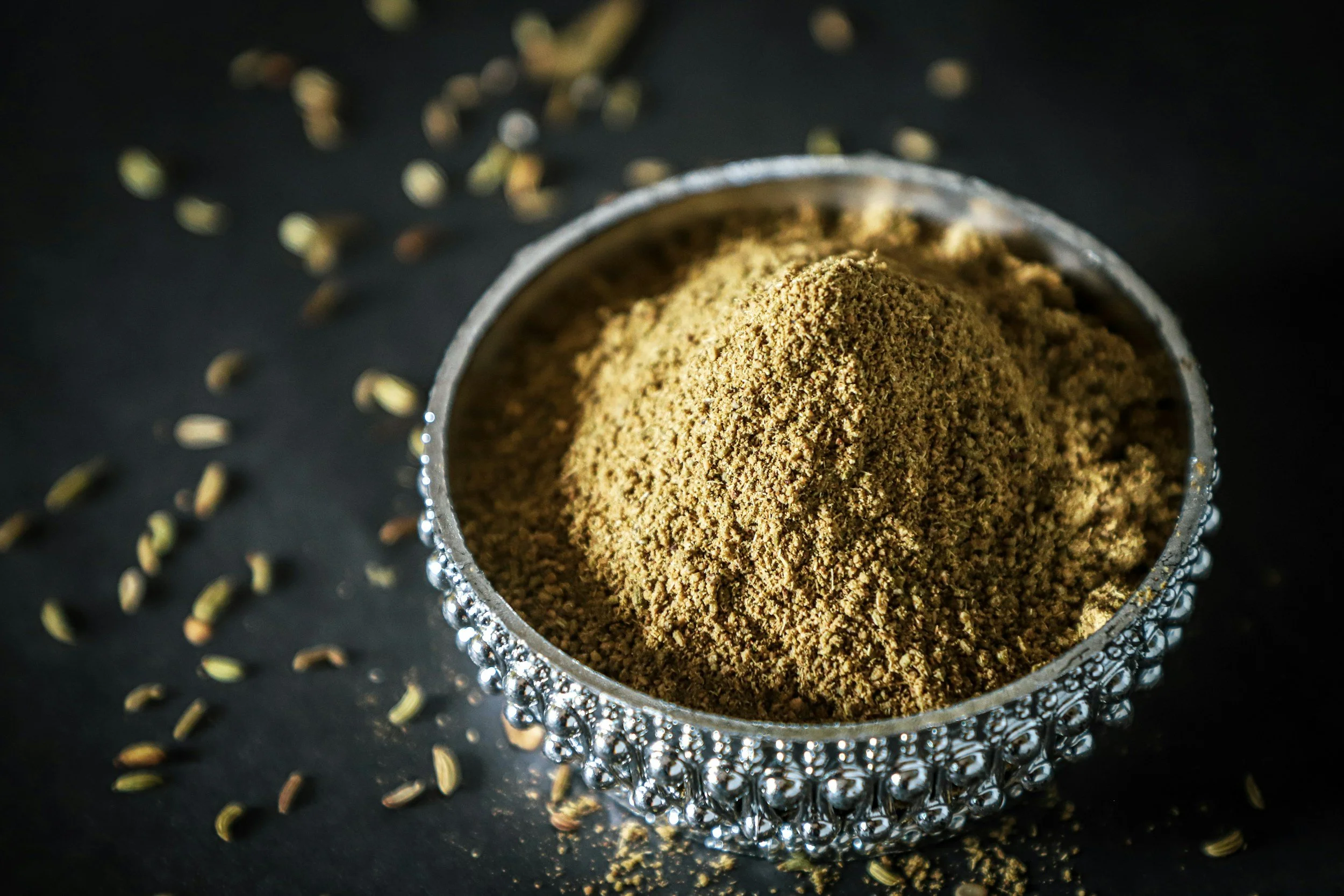
Cumin seeds and ground cumin
Herb of the month: Cumin (Cuminum cyminum)
Herbal Focus: Warming cumin supports digestion and circulation, reducing stress-related bloating or discomfort.
Cumin is a wonderfully aromatic spice that deserves a place in our autumn kitchen. With its warm, earthy flavour, it works beautifully in soups, stews, roasted vegetables and grain dishes.
In Ayurveda, cumin is valued for its ability to support Agni, our digestive fire and has a long history of use in traditional systems of medicine, particularly for digestive discomfort. Traditionally, it has been used to support digestion, ease feelings of bloating and wind, and encourage the digestive process. It is also known to promote the absorption of other nutrients.
Rather than relying on complicated remedies, we can begin by incorporating small amounts of warming spices into everyday meals. Cumin is a simple way to add flavour and warmth, especially when our appetites turn towards more comforting foods.
How could you use Cumin this month?
Infusion/tea - Add 1 teaspoon of cumin seeds to a cup of freshly boiled water. Cover and steep for 5–7 minutes before straining. You can add a few fennel seeds or a thin slice of fresh ginger for extra flavour. I’ve mentioned my favourite digestive tea before of the traditional Ayurvedic combination of cumin, coriander and fennel seeds. Together, these make a delicious, aromatic tea known in Ayurveda as CCF tea. It is traditionally used to support digestion and is a lovely alternative to reaching for another cup of coffee. To make CCF tea, combine equal parts cumin, coriander and fennel seeds. Use around 1 teaspoon of the seed mixture per cup of hot water, cover and infuse for 5–10 minutes. Strain and sip warm, ideally after a meal if that feels comfortable for you.
Food: Lightly toast cumin seeds in a little olive oil before adding them to soups, stews or roasted vegetables. This helps release their wonderful aroma. Ground cumin also works beautifully in lentil dishes, curries and homemade hummus.
Small rituals like this can be a lovely reminder to slow down and give ourselves time to digest.
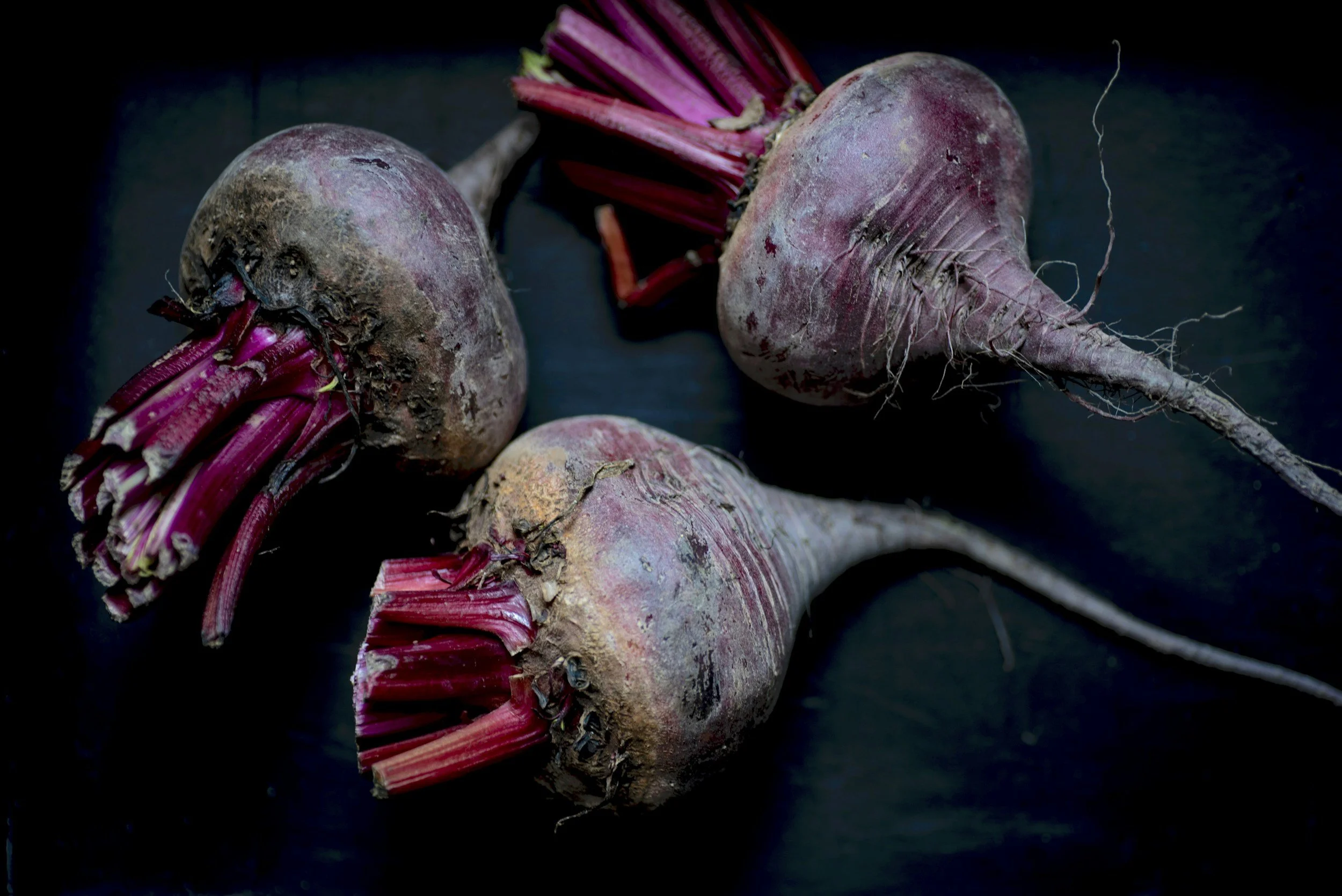
Blood nourishing beetroot
Nourishing Ourselves With Seasonal Vegetables
October- Beetroot
Health Benefits: Blood-nourishing, supports liver detox, circulation
Beetroot is a wonderful earthy vegetable, and its deep jewel-like colour seems perfect for October.
Beetroot contains folate, fibre, potassium and naturally occurring plant compounds called betalains, which give it its beautiful red-purple colour. It also contains dietary nitrates, which the body can convert into nitric oxide, a molecule involved in regulating blood vessel function. Beetroot is often described as a blood-building food and is known to have cleansing properties.
I love roasting beetroot because it brings out its natural sweetness. Combined with warming spices, it makes a delicious addition to autumn meals.
Simple ways to enjoy beetroot
Roasted beetroot: Cut into wedges, toss with olive oil, a little cumin and sea salt, and roast until tender.
Beetroot and lentil salad: Combine roasted beetroot with cooked green or puy lentils, parsley, lemon juice and a little olive oil.
Soup: Blend roasted beetroot with carrots, red lentils, vegetable stock and warming spices for a rich, earthy soup.
Grain bowls: Add roasted beetroot to quinoa or brown rice with chickpeas, pumpkin seeds and a lemony dressing.
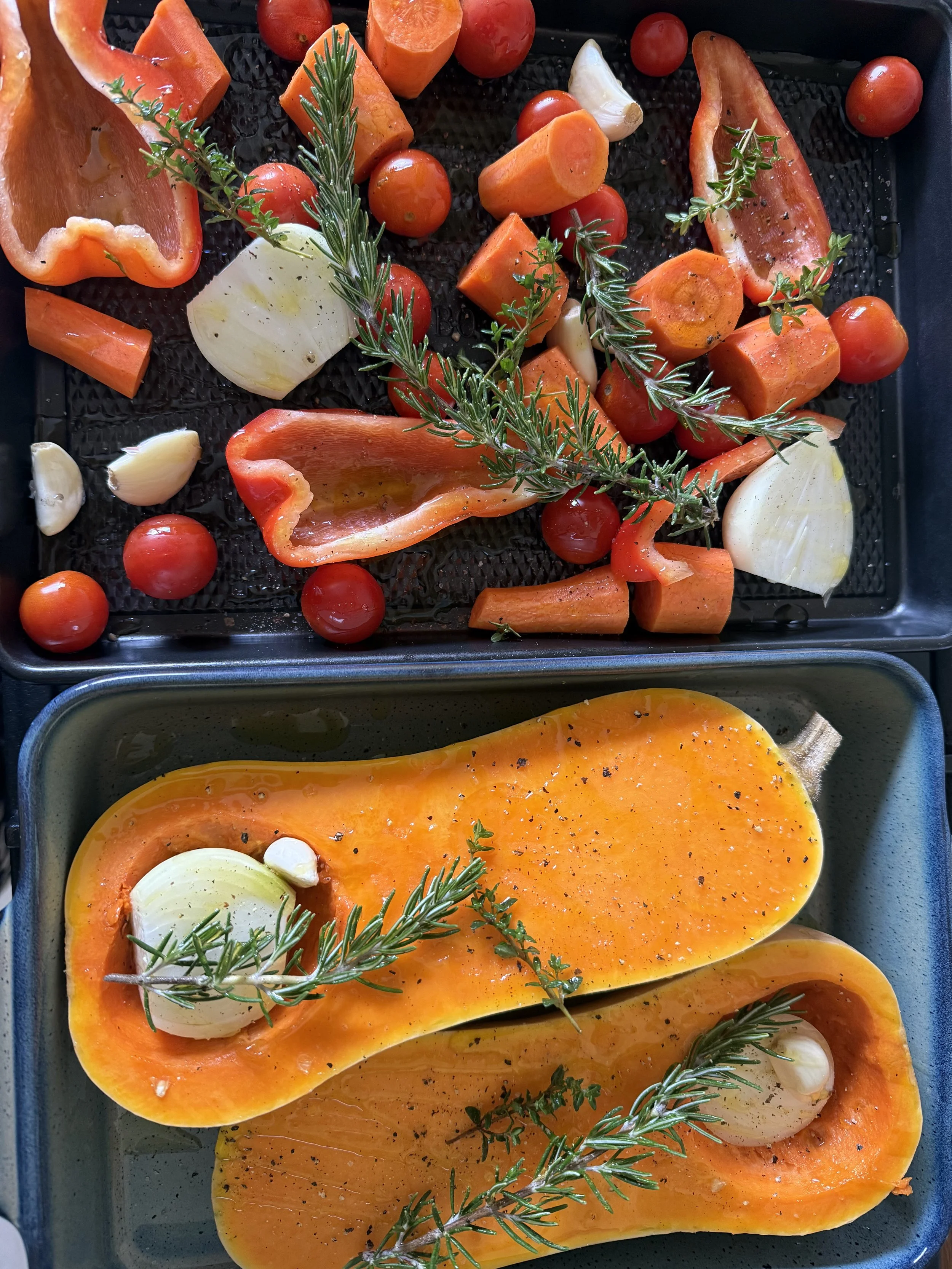
Simple traybake soups
At the moment I am do seem to have a habit of over ordering on my Riverford Vegetable box and not quite getting through it all in the week. I can’t help it, all that veg looks so good but before I know it my week has been busier than expected, not everyone has been around for dinner and we haven’t managed to get through it all. What I have been doing is simple tray bakes and making really delicious soups. It is super easy, tasty and takes little prep or head space! So I thought I’d share this simple recipe and you can mix and match it up with whatever you have lurking in your fridge.
Recipes I am enjoying this month
A roasted vegetable tray-bake soup is one of the easiest ways to make a nourishing autumn meal. You can use whatever vegetables you have available, roast them all together, and blend them into a delicious soup.
Cumin-spiced butternut squash and carrot soup
Ingredients:
1 medium butternut squash, (Sweet potatoes or other squashes work equally as well)
3 carrots, peeled and roughly chopped
1 red onion, cut into wedges
2 garlic cloves
1–2 teaspoons ground cumin
1 teaspoon ground coriander
1 tsp of smoked paprika
1 tablespoon olive oil
Fresh herbs - rosemary, thyme, oregano if you have them to hand.
700–900ml vegetable stock
Salt and black pepper to taste
Optional: a little fresh ginger or a squeeze of lemon
Optional - carton/tin/jar of beans such as butter or cannelini for additional protein.
Optional - add in any extra vegetables from the fridge that need using up. I like to add tomatoes, peppers etc.
Method:
1. Preheat the oven to 200°C (180°C fan).
2. Cut the butternut squash in half lengthways. Scoop out the seeds and in the hole add some onion and garlic and lay a sprig or two of fresh herbs.
Place the squash, carrots, onion and garlic on a roasting tray. Toss with the olive oil, sprinkle over the spices and a little sea salt and pepper.
3. Roast for around 30–40 minutes, until the vegetables are tender and beginning to caramelise.
4. Scoop out the soft butternut squash flesh, leaving the skin and along with all the other vegetables transfer to a saucepan add the vegetable stock and beans if using and heat up. Then blend until smooth. Add more stock if needed to achieve your preferred consistency.
5. Taste and adjust the seasoning. Add a little fresh ginger for extra warmth or lemon juice to brighten the flavour.
Make it fancy and serve with toasted pumpkin seeds, fresh herbs or a spoonful of natural yoghurt.
I love recipes like this because they require very little effort but deliver so much flavour. You can make a large batch and enjoy it for lunch over several days, making it easier to nourish yourself even when life feels busy.
This month’s Vitamin / Mineral Focus
October – Vitamin A and Iron and checking your Vitamin D status
Why: As we move into autumn, it is worth paying attention to the nutrients that support our general wellbeing, including normal immune function, energy metabolism and healthy blood formation. Vitamin A is important for normal immune function, vision and the maintenance of healthy skin and mucous membranes. These mucous membranes help protect the respiratory and digestive tracts. Iron is essential for haemoglobin production and the transport of oxygen around the body. Low iron levels can contribute to fatigue, weakness and reduced exercise tolerance.
How: You can obtain beta-carotene, which the body can convert into vitamin A, from foods such as carrots, butternut squash, sweet potatoes and dark leafy greens. Good food sources of iron include lentils, beans, chickpeas, pumpkin seeds and leafy greens. Pairing plant sources of iron with vitamin C-rich foods, such as peppers, citrus fruit or broccoli, can help improve absorption.
If you are experiencing persistent fatigue or suspect that you may be deficient in iron or another nutrient, it is worth seeking appropriate testing rather than relying on food changes alone. Iron deficiency is one of the most common deficiencies I see in my clinic and quite often women are deficient or just over the boundary and suffering with many symptoms. I believe it is so important to have optimal stores of iron during midlife which are much higher than the NHS boundaries, so please get tested, check the results on the app and ensure you have optimal levels. If you need guidance on iron dosage, please do reach out as supplementing with iron can sometimes be problematic with the digestive system but there are some great, easily absorbed iron supplements and iron co-factors to consider. Of course, understanding why you are low in iron is also worth investigating.
Vitamin D: A Little Winter Support
Vitamin D is an important nutrient for bone and muscle health, and it contributes to normal immune function. In the UK, we cannot make enough vitamin D from sunlight between October and early March, so the government advises everyone to consider taking a daily supplement during autumn and winter. Some people may need supplementation throughout the year, particularly if they have limited sun exposure or darker skin.
It is worth making this a simple seasonal habit, alongside enjoying foods that contain vitamin D, such as oily fish, eggs and some mushrooms.
I recommend my clients to get their vitamin D tested and you can usually get this done through your GP. Our levels should be at its’ highest at this time of year. Depending on your levels, you should then consider the amount of Vitamin D to take. Please look at your optimal level, rather than just ticking a boundary. It is important to have good healthy stores to support your immune health during the winter, darker and more vulnerable months. I usually recommend supplementing with D3 alongside K2 to support bone health, if you need advice on dosage, please speak to a Naturopathic Nutritionist.
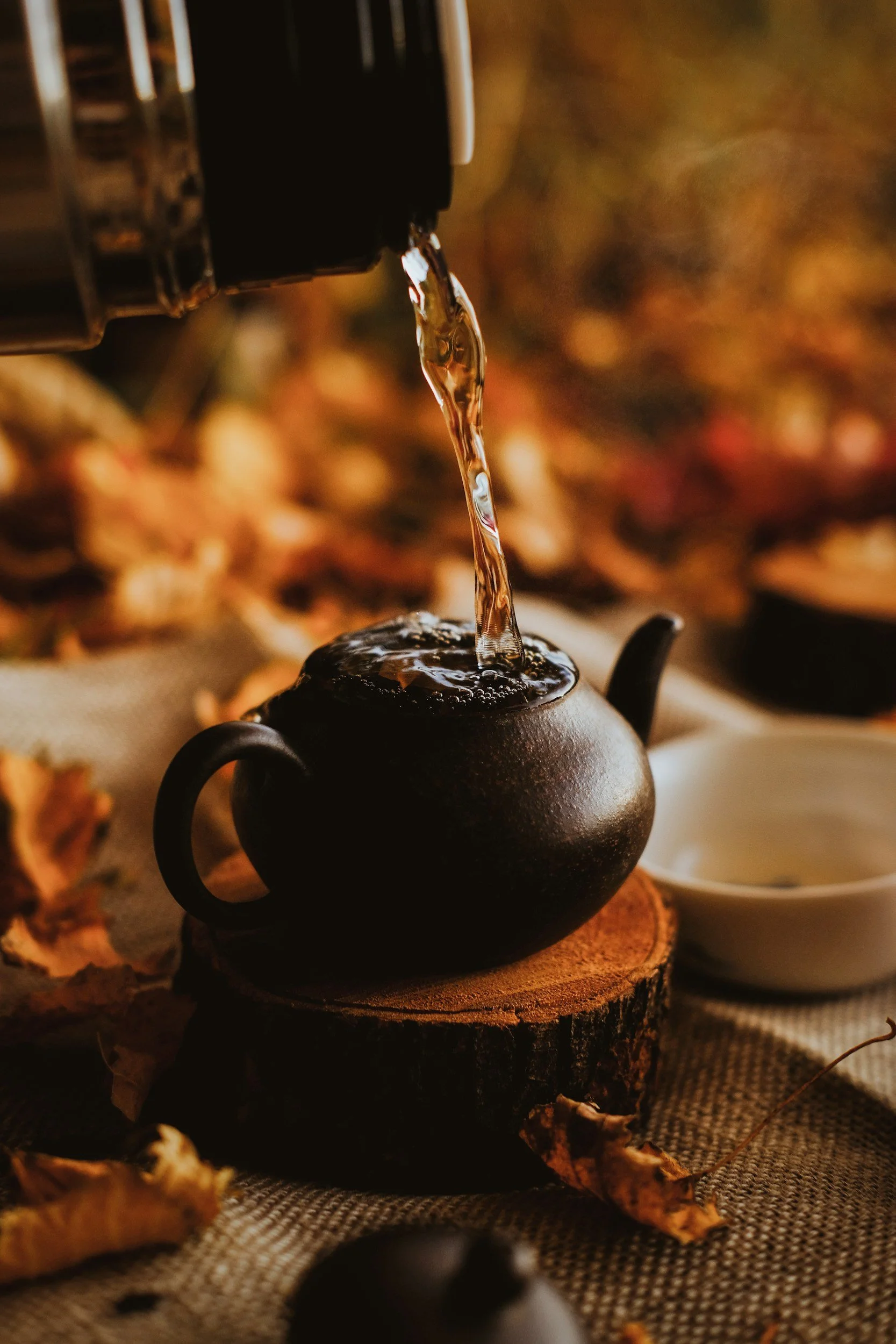
Seasonal tea
Preparing for Autumn and Winter: A Note on Respiratory Health
As autumn progresses, we often hear more coughs and sniffles around us. Respiratory infections become more common at this time of year, and it is understandable to want to support our immune systems as we head into winter.
My autumn herbal infusion
Thyme, ginger, and nettle are plants with long histories of traditional use. I enjoy the idea of combining aromatic herbs into a warming seasonal infusion
- ½ teaspoon dried thyme
- ½ teaspoon dried nettle leaf
- 1–2 thin slices of fresh ginger
- 250ml freshly boiled water
Cover and infuse for 5–10 minutes, then strain. You can add a little honey once the tea has cooled slightly, if desired.
Thyme is a good culinary herb to have on hand, thyme tea can be soothing when you have a sore throat and can help ease a persistent cough.
If you develop breathing difficulties, chest pain, persistent high fever or symptoms that are worsening rather than improving, seek appropriate medical advice.
October’s Ritual - The Grounding Evening Mug
One of the simplest ways to create a sense of grounding is to establish a small evening ritual.
As the evenings grow darker, I like the idea of making a warm drink, putting away distractions and allowing myself a few minutes to pause. It doesn't have to be elaborate. Sometimes it is simply sitting quietly with a mug in my hands and noticing the warmth.
In Ayurveda, warm drinks and regular evening routines can form part of a grounding approach to Vata. From a TCM perspective, autumn is also a time to reflect on what we need to retain and what we are ready to let go of.
Prepare a warm drink and find somewhere comfortable to sit.
Take a few slow, comfortable breaths without forcing them.
Notice the warmth of the mug in your hands and the sensations in your body.
Allow yourself five minutes without needing to achieve anything.
Reflect on one thing you can let go of and one thing you would like to nourish.
It may sound simple, but these small moments of intentional rest can help us create a little more space in an otherwise busy day.
Reflection Prompt
What helps me feel rooted as the days shorten?
Perhaps it is preparing a nourishing meal, spending time outdoors, getting to bed a little earlier or making room for a quiet moment at the end of the day.
You don't need to overhaul your routine to embrace the season. Sometimes the smallest changes are the ones we can sustain.
A Gentle Note on Safety & Individuality
While herbs are natural, they are also biologically active. What supports one person may be inappropriate for another, depending on their constitution, medications, life stage, or current health.
Cumin, coriander and fennel: Culinary use is generally well tolerated, but concentrated preparations may not be appropriate for everyone.
Ginger: May aggravate reflux in some people and can interact with certain medicines, particularly at higher supplemental doses.
Thyme and nettle: Consider individual allergies, medications and existing health conditions before using medicinal quantities regularly.
If you are pregnant, breastfeeding, taking medication or managing a medical condition, seek individual advice before using herbs regularly as remedies.
As always, listen to your body and seek individual guidance if you are unsure.
Important note:
The information shared in this series is for educational purposes only and is not intended to replace personalised medical or herbal advice. Herbs are biologically active substances and may not be suitable for everyone. If you are pregnant, breastfeeding, taking medication, or managing a medical condition, please seek individual guidance from a qualified practitioner before using herbal remedies regularly.