
Turmeric & Pomegranate: Golden Milk and the Jewels of Vital Nourishment
A Year of Seasonal Self-Care with Plants and Rituals
November invites us to pause, replenish and prepare for winter. Through warming spices, vibrant seasonal foods and simple daily rituals, we can give ourselves a little more space for nourishment, repair and restoration.
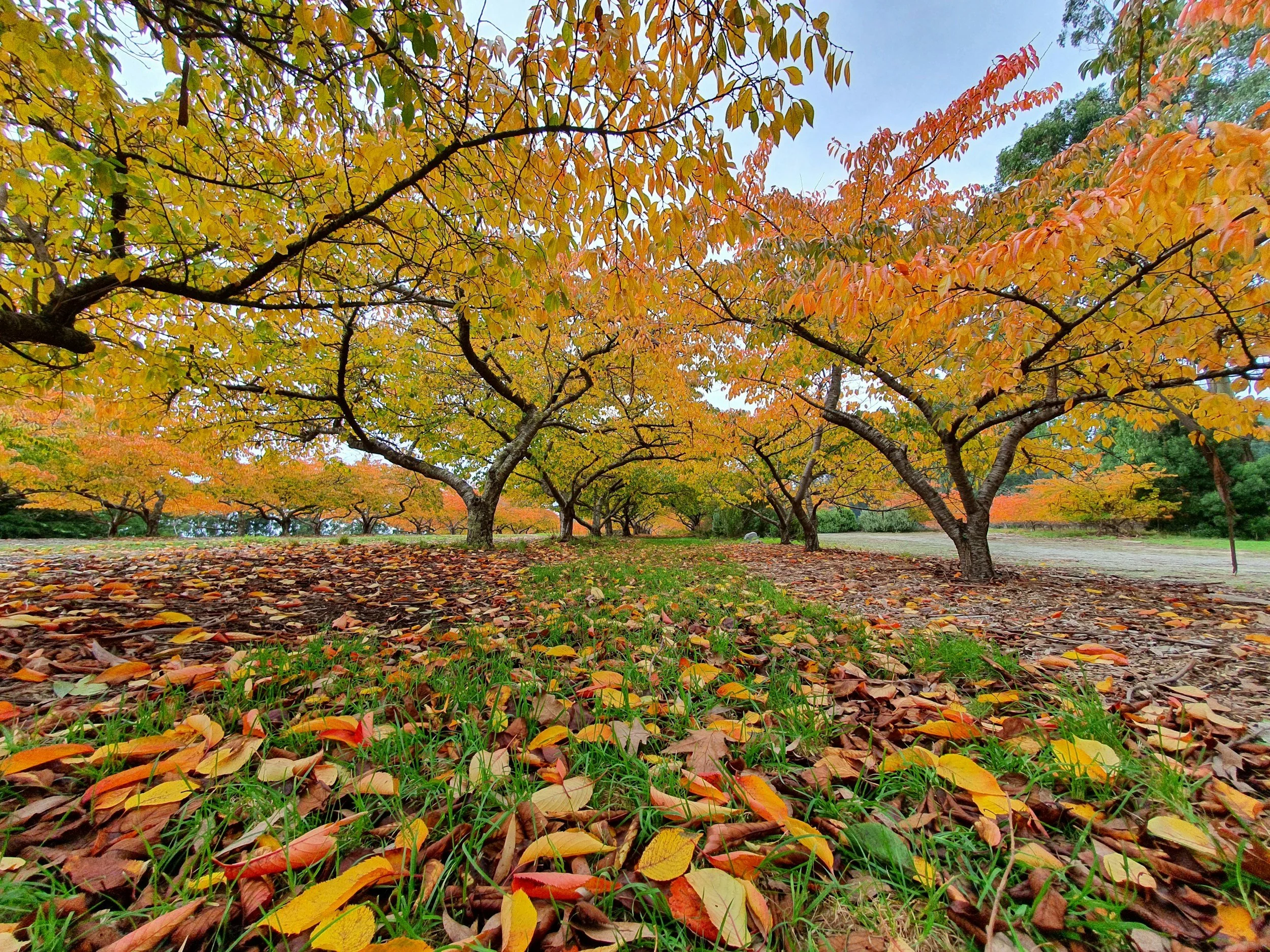
Autumn leaves are falling
November – The pause before winter
For me, November is the pause before the busy celebrations of Christmas. I am happy in my Autumnal rhythm, not ready yet for Winter’s embrace or ready for Christmas activities.
I enjoy the transition of the golden colours of the forest and watching the trees around me let go of their leaves and slowly draw their energy inward, down into the earth to conserve, replenish and rest. November doesn't need to be a month of rushing towards Christmas or feeling that winter has already arrived.There is still so much of autumn to enjoy. The earthy smell of damp woodland, the softer light and the opportunity to spend time outdoors before the real cold settles in.
It is a month that invites us to find a different rhythm.
We can often spend so much time looking ahead – planning Christmas, organising, shopping, preparing and thinking about everything that needs to be done – that we forget to experience the season we are actually in.
Perhaps November is an opportunity to resist that urge. To enjoy the present moment rather than rushing towards the next one. To take a slower walk, cook something warming, spend an evening at home and allow ourselves a little breathing space before December's activities begin. Our bodies respond to the rhythms of our environment. As daylight decreases and temperatures fall, it can be helpful to gradually adjust our routines, prioritising rest, nourishment and recovery.
From a naturopathic perspective, this is also a wonderful opportunity to think about how we are nourishing ourselves. As the seasons change, our nutritional needs, routines and energy levels can change too. We may naturally feel drawn towards warmer meals, more restorative evenings and a little less activity. Rather than waiting until we feel exhausted or depleted, November offers an opportunity to replenish our reserves, support our body's natural repair processes and build the foundations for a healthier winter.
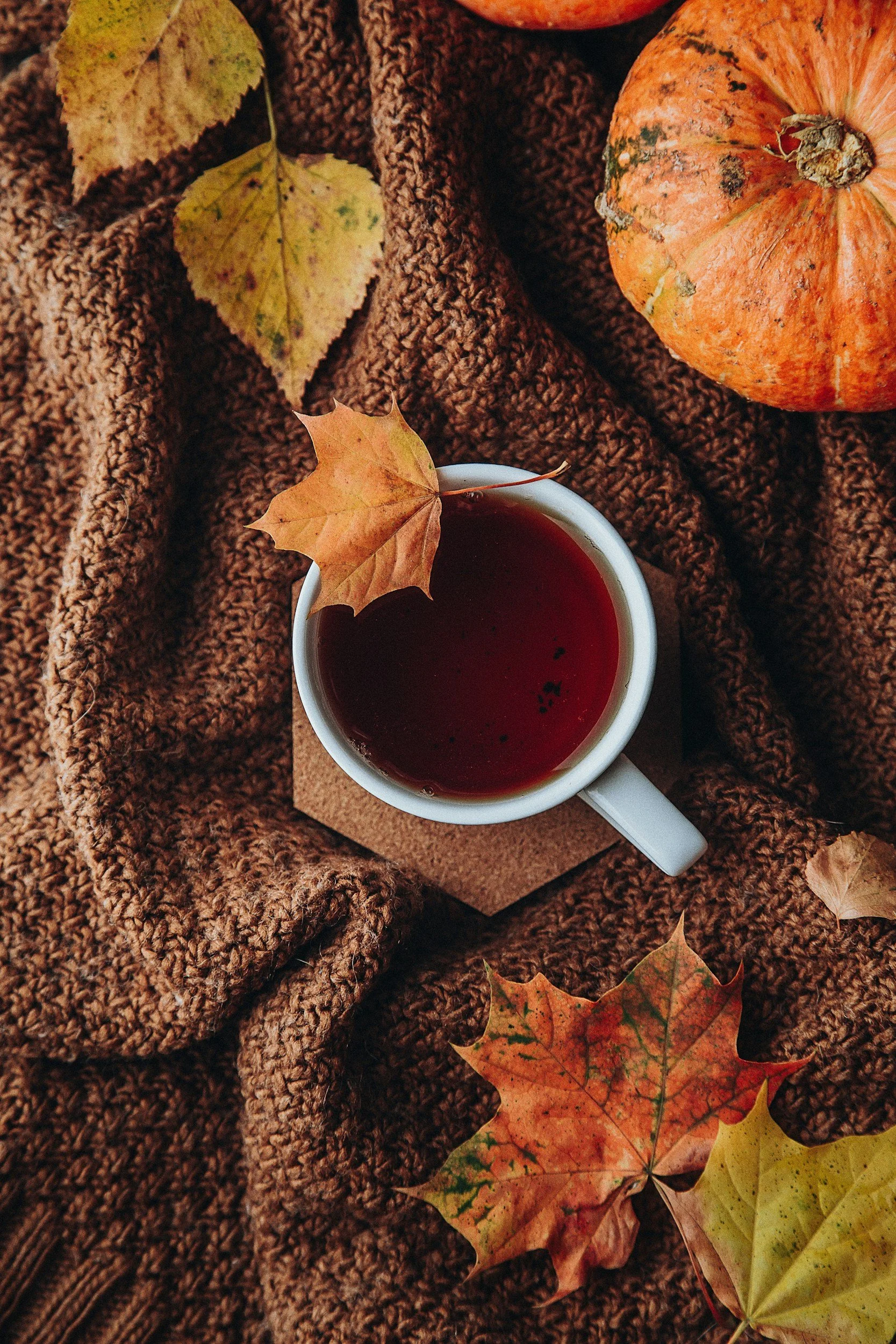
Finding time for rest
Seasonal wisdom: Transitioning into winter
In Traditional Chinese Medicine (TCM), November represents the transition from the Metal element of autumn towards the Water element of winter. Metal is associated with letting go, boundaries and the lungs and large intestine. Water represents conservation, restoration and our deeper reserves of energy, traditionally associated with the kidneys and bladder.
This transition reminds us that there is a time for activity and a time for rest. Just as nature begins to draw its energy inwards, we can benefit from conserving our own energy and creating space for restoration.
In Ayurveda, we are moving through the cooler months when Vata qualities of cold, dryness and movement can become more pronounced. As winter deepens, Kapha qualities of heaviness and sluggishness may also become more apparent. Warming, nourishing foods, regular mealtimes, gentle movement and consistent routines can help us maintain balance through these seasonal changes.
The naturopathic approach is not about fighting the season but working with it. Supporting digestion, maintaining blood sugar balance, eating a varied nutrient-rich diet and prioritising sleep are all important foundations. Repair isn't necessarily about doing more. Sometimes it is about creating the conditions in which the body can rest, recover and replenish.
This month, I'm exploring two beautiful botanicals: turmeric and pomegranate. Both have a long history of traditional use and offer some fascinating nutritional and therapeutic properties. From turmeric's role in supporting inflammatory balance to pomegranate's rich supply of antioxidant polyphenols and its traditional Ayurvedic association with vitality and rejuvenation, they make wonderful companions for our November theme.
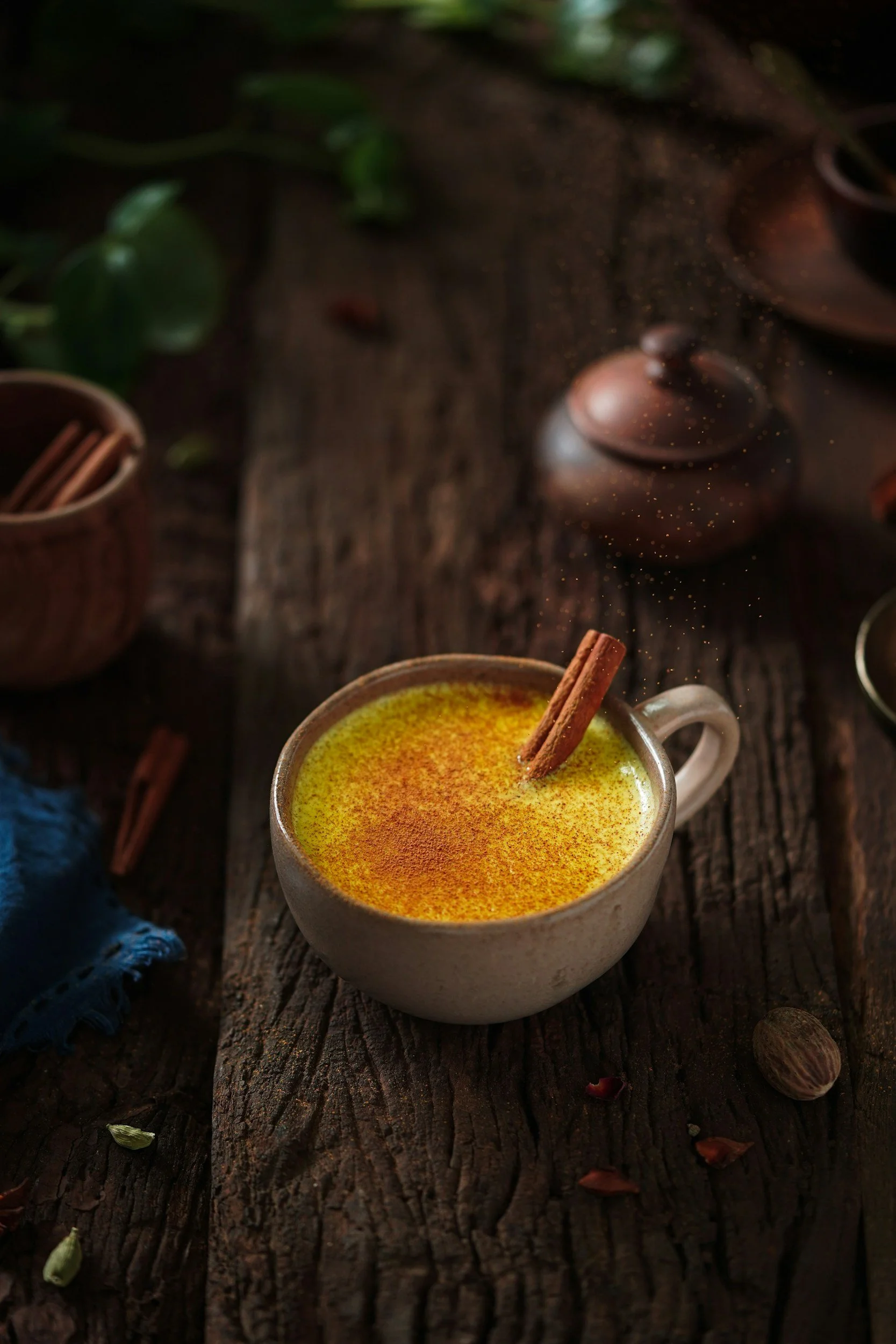
Turmeric - Golden Milk
Herb of the month: Turmeric (*Curcuma longa*)
Herbal Focus: Joint pain, immune resilience, chronic inflammation
Turmeric is one of my favourite warming kitchen spices and a wonderful botanical to explore as we move into the colder months.
Known as Haridra in Ayurveda, turmeric has a long history of traditional use, particularly for supporting digestion and maintaining balance within the body.
Its vibrant golden-orange colour comes from a group of plant compounds called curcuminoids, the best known being curcumin.
Why I love turmeric:
Inflammatory balance: Curcumin has been widely researched for its antioxidant and anti-inflammatory properties. It is an interesting botanical when considering the role of inflammation in general health and healthy ageing.
Antioxidant support: Turmeric contains compounds that help protect cells from oxidative stress.
Digestive support: Traditionally used to support digestion and bile flow, turmeric has an important place in Naturopathic digestive practice.
Joint health: Its anti-inflammatory properties have attracted research into its potential role in supporting joint comfort and mobility.
Liver and bile support: Traditionally used to support liver and biliary function, although it should not be considered a liver detox or treatment for liver conditions.
From an Ayurvedic perspective, turmeric is generally considered warming, bitter and pungent. It is traditionally used to help balance Kapha and can be useful in certain Pitta-related imbalances, although its warming nature means it isn't necessarily suitable for everyone.
I particularly like turmeric as a food-first botanical. We don't always need another supplement; sometimes incorporating familiar plants and spices into our everyday cooking is a wonderful place to start.
Three Ways With Turmeric this month?
Golden milk
A lovely evening drink to bring warmth and comfort into your day.
1 mug of coconut or almond or oat milk
1/2 tsp of ground turmeric
Big pinch of black pepper
1 small piece of root ginger peeled and grated or 1/4tsp of ground ginger
Big pinch of ground cardamon or 1/4 tsp of ground cinnamon
1/4tsp of raw honey or maple syrup
1 tbsp of coconut oil
Put all the ingredients into a saucepan and allow to simmer for 15mins whisk together. Strain if needed and enjoy warm.
Black pepper contains piperine, which can increase curcumin absorption. However, concentrated curcumin products are different from culinary amounts and may interact with medication.
A warming winter juice: 1 apple, 2 carrots, 1 stalk of celery, 1 pear, juice of 1 lemon, 1-2 tsps of turmeric, 3-5 cm of ginger
Turmeric Dressing: 1 tbsp olive oil, 1/2 tbsp apple cider vinegar, 1/2 tsp turmeric, 1 tsp maple syrup
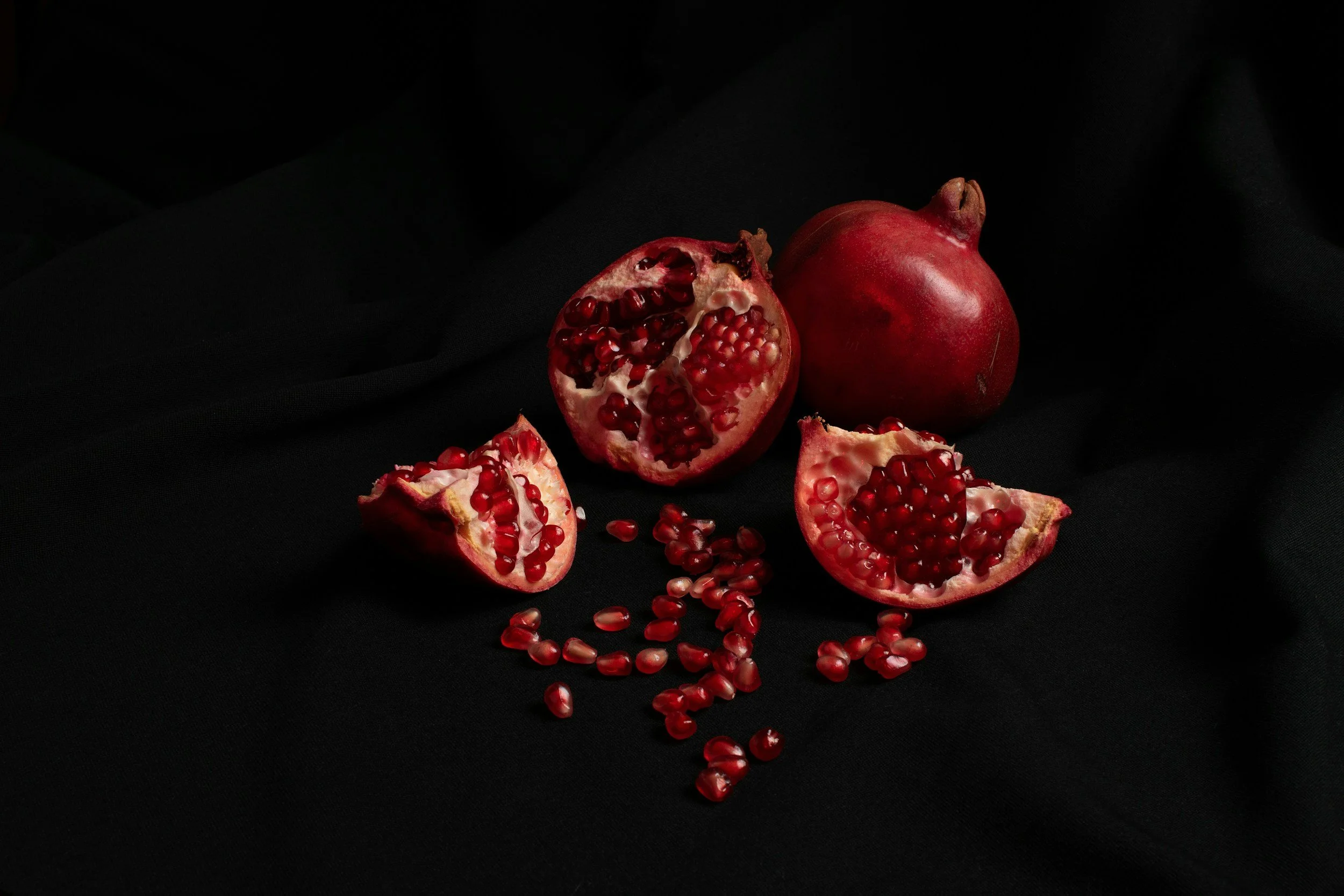
Pomegranate - Jewels of nourishment
Nourishing Ourselves With Seasonal Plants
November – Pomegranate (Punica granatum): Little jewels of vital nourishment
Health Benefits: Nourishing and rejuvenating
There is something quite magical about pomegranate. Open one up and you find hundreds of glistening ruby-red seeds, almost like little jewels packed with nourishment.
Known as Dadima in Ayurveda, pomegranate has a long history of traditional use and is particularly valued for its digestive and nourishing properties. In Ayurvedic medicine, pomegranate is associated with Rasayana – the traditional approach to nourishment, rejuvenation and supporting vitality and healthy ageing. It is also traditionally described as Hridya, meaning supportive of the heart.
I love this connection because pomegranate brings together so many aspects of health that become increasingly important as we move through midlife: cardiovascular health, antioxidant protection, digestive wellbeing and healthy ageing.
Why I love pomegranate
Pomegranate is particularly rich in plant compounds called polyphenols, including ellagitannins and anthocyanins, which contribute to its beautiful colour and antioxidant properties.
Antioxidant protection: Pomegranate contains powerful polyphenols that help protect cells against oxidative stress. Oxidative stress occurs when there is an imbalance between free radicals and the body's antioxidant defences.
Cardiovascular health: Research is exploring the potential benefits of pomegranate polyphenols for healthy blood vessel function, circulation and cardiovascular health.
Inflammatory balance: Its natural plant compounds have demonstrated anti-inflammatory activity in laboratory and early clinical research.
Digestive health: Pomegranate provides fibre when eaten as whole seeds, and its polyphenols are of particular interest because of the way they interact with our gut microbiome.
Healthy ageing: Its antioxidant and polyphenol content makes it an interesting food to include as part of a varied diet that supports long-term health.
Pomegranate and women's hormonal health
I particularly wanted to highlight pomegranate for women in perimenopause and post-menopause because there is some interesting emerging research into its potential role in supporting menopausal health.
During the menopause transition, changing oestrogen levels can influence many aspects of our health, including cardiovascular function, bone health, body composition, sleep and temperature regulation. Pomegranate contains plant polyphenols and other bioactive compounds that are being investigated for their potential interactions with hormonal and metabolic pathways.
Some small clinical studies have explored pomegranate supplementation in menopausal women, with encouraging findings around menopausal symptoms and quality of life. A 2024 systematic review and meta-analysis also reported potential improvements in hot flush severity and some menopausal symptoms. However, the researchers highlighted limitations in the available studies, including small sample sizes and risk of bias.
It is important to understand that pomegranate is not a natural oestrogen replacement, and we cannot assume that eating the fruit will treat hot flushes or balance hormones. The research is still developing but what I find particularly interesting is the wider nutritional picture. Supporting cardiovascular health, maintaining a healthy gut microbiome, reducing oxidative stress and eating a varied, colourful diet are all important foundations for women as they move through midlife.
And pomegranate is a delicious way to bring more plant diversity and polyphenols into our everyday diet.
A little naturopathic wisdom: The gut and our plant compounds
One of the fascinating things about pomegranate is that its polyphenols interact with our gut microbiome. Some of the compounds found in pomegranate, particularly ellagitannins, are transformed by certain gut bacteria into metabolites called urolithins. This is a wonderful example of the relationship between our diet and our gut microbiome. Our beneficial bacteria help break down and transform certain plant compounds, influencing the metabolites that become available to the body.
However, not everyone produces these metabolites in the same way. This is partly down to differences in individual gut microbes. It is another reason why I place so much importance on digestive health, fibre and eating a wide variety of plant foods. Rather than focusing on one particular superfood, aim to include a variety of colourful vegetables, fruits, herbs, spices, nuts, seeds and legumes throughout the week.
The more diversity we bring into our diet, the more opportunities we give our gut microbes to thrive.
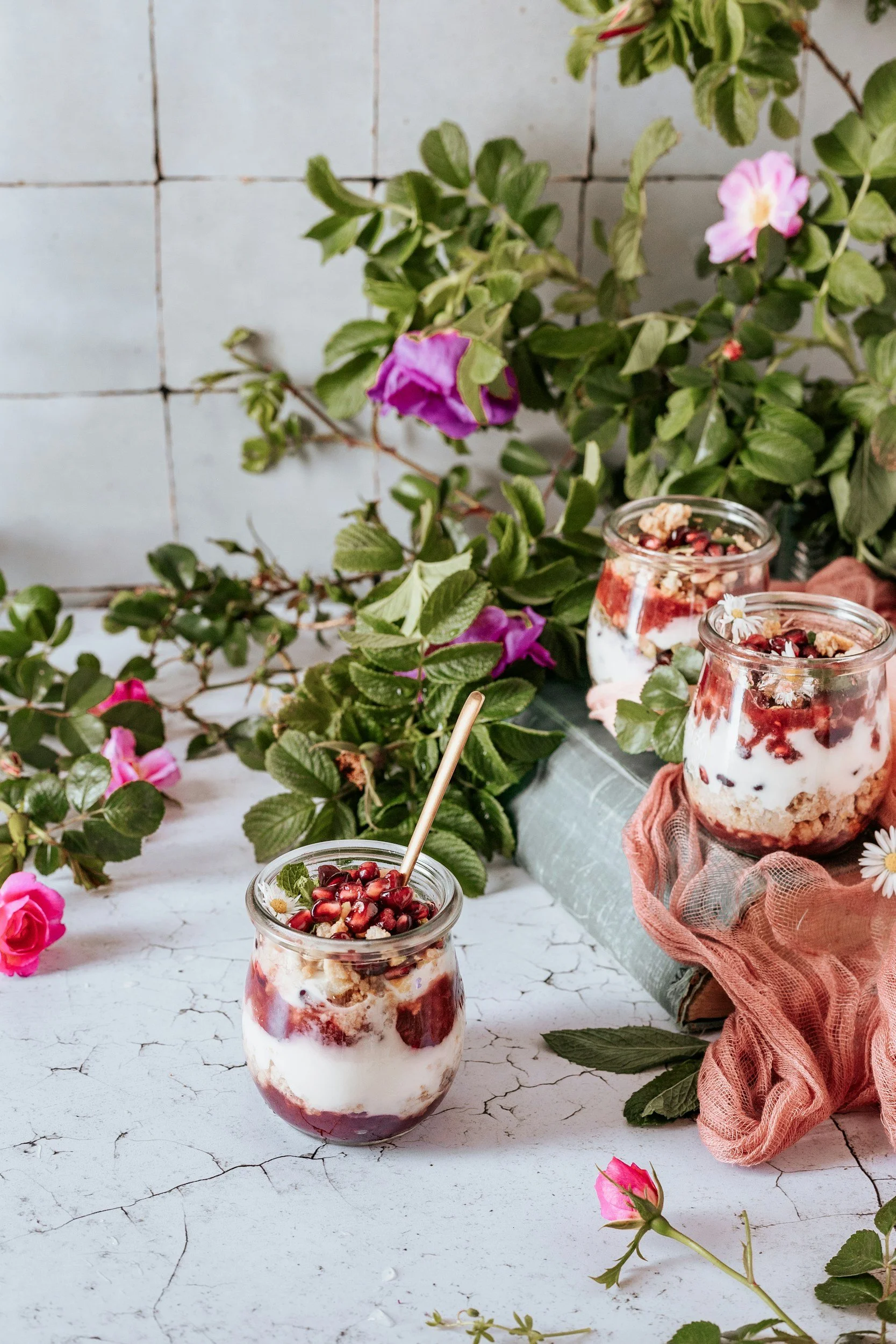
Pomegranates for breakfast; scatter over yoghurt, porridge, overnight oats.
Pomegranate: Little jewels of nourishment
Pomegranate is wonderfully versatile and its seeds can bring a burst of colour, flavour and nutrition to so many everyday meals.
Try scattering the seeds over:
Natural yoghurt with walnuts and cinnamon for a nourishing breakfast.
Porridge with pumpkin seeds and a little honey.
Roasted squash or sweet potato with fresh herbs.
A winter salad with rocket, orange and toasted nuts.
Hummus or a grain bowl for a colourful lunch.
My favourite simple combination: Natural yoghurt, pomegranate seeds, chopped walnuts and a little cinnamon. A lovely combination of protein, healthy fats, fibre and polyphenols.

Seasonal tea
November self-care ritual: An evening pause
With December just around the corner, this month I'd encourage you to create a little breathing space before the busyness begins.
Make yourself a golden milk or herbal tea, put away your phone, light a candle and give yourself permission to slow down. We often spend so much time looking ahead, planning, organising and thinking about what comes next that we forget to enjoy the season we are actually in.
An evening ritual doesn't need to be complicated. It might simply be a warm drink, a few moments of quiet, some gentle stretching or writing down your thoughts before bed. From a naturopathic perspective, these small routines can help support nervous system regulation, encourage a more consistent sleep routine and give us an opportunity to step away from the constant stimulation of everyday life.
Don't underestimate the value of doing less.
November reflection
Where do I need deeper nourishment and healing rather than quick fixes?
A few additional prompts:
Where in my life am I rushing towards the next thing rather than enjoying where I am now?
What do I need to replenish before the busyness of Christmas?
What small changes would help me feel more rested, nourished and supported?
What could I let go of to create a little more breathing space?
Perhaps November is not a month to rush through, but one to make the most of.
Before the busyness of Christmas festivities arrives, we have an opportunity to pause, replenish and nourish ourselves. To enjoy the last gifts of autumn, bring warmth into our kitchens and give our bodies the space they need to restore.
During this build up to the busy season, having a reminder that sometimes the simplest rituals – a warming drink, a nourishing meal, a walk in nature or a few moments of quiet – are the ones that bring us back to ourselves.
Don't rush through November on your way to December. Enjoy the pause.
A Gentle Note on Safety & Individuality
While herbs are natural, they are also biologically active. What supports one person may be inappropriate for another, depending on their constitution, medications, life stage, or current health.
Turmeric: Although turmeric is a familiar kitchen spice, it is biologically active. Concentrated turmeric and curcumin supplements may not be suitable for everyone, particularly those with gallstones or bile duct problems, those taking anticoagulant medication, or those with certain medical conditions. There have also been rare reports of liver injury associated with turmeric supplements.
Culinary quantities are generally well tolerated, but seek individual advice before taking concentrated preparations, particularly if you take medication, are pregnant or breastfeeding, or have an existing health condition.
As always, listen to your body and seek individual guidance if you are unsure.
Important note:
The information shared in this series is for educational purposes only and is not intended to replace personalised medical or herbal advice. Herbs are biologically active substances and may not be suitable for everyone. If you are pregnant, breastfeeding, taking medication, or managing a medical condition, please seek individual guidance from a qualified practitioner before using herbal remedies regularly.