
March – Spring / Wood/ Kapha
Nettle & Spring Greens: Awakening Body and Mind with Abhyanga
A Year of Seasonal Self-Care with Plants and Rituals
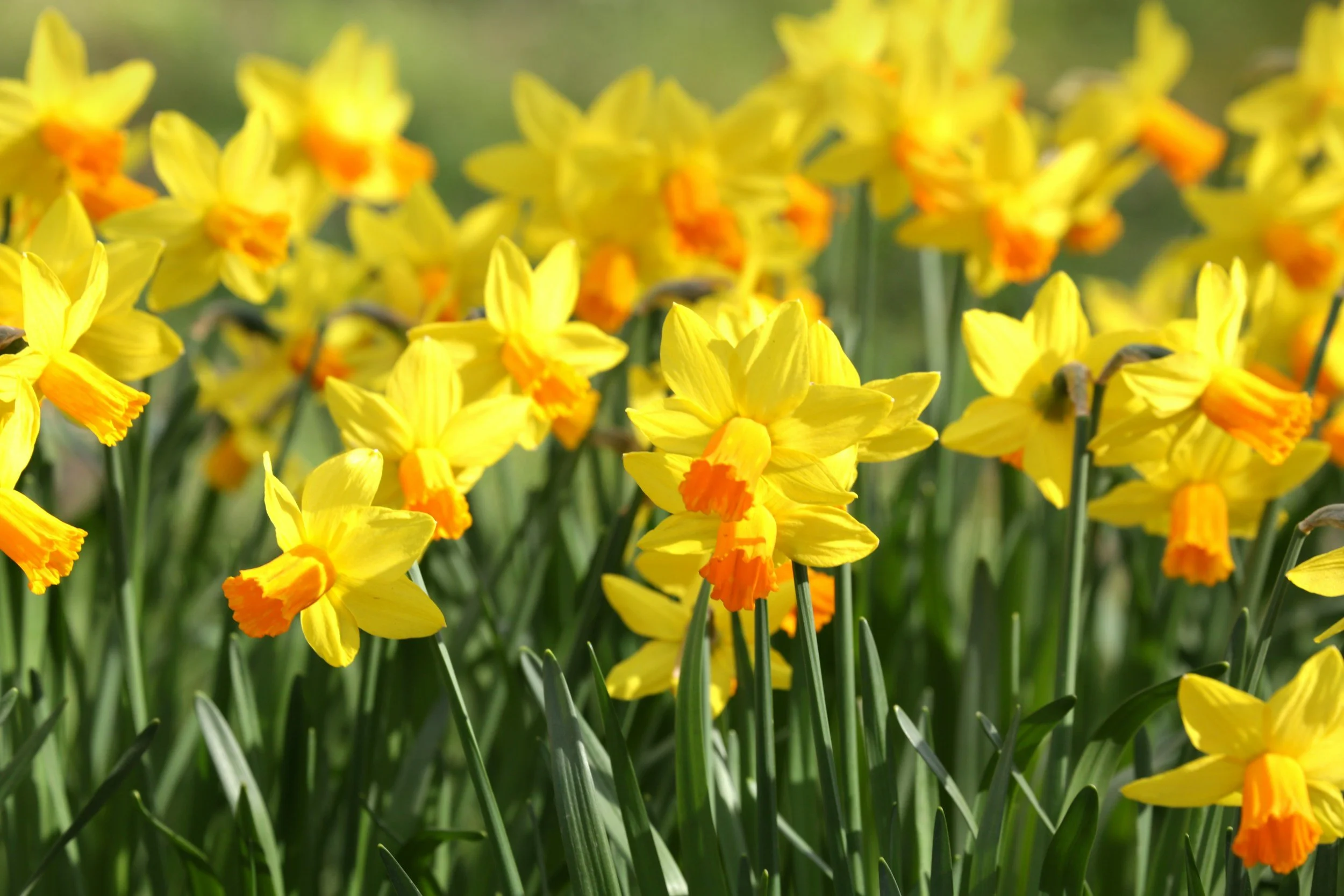
Can you hear Spring’s gentle whispers?
I love seeing the first signs of growth in my garden, the first peeks of leaves and the bobbing heads of daffodils and there has been much more bird song which is pure joy. The last few days has been blue skies and sunshine here in the New Forest, which has been so welcome and really lifts the mood.
When we tune into the natural rhythms of nature we can see how they reflect our own natural rhythms. Can we see benefits or problems? Can we learn how to support these seasonal changes to bring a higher energy and clarity? When we tune in and listen to what we need and use natural ways to shift any stagnation we can fully embrace a seasonal change.
In March, according to Traditional Chinese Medicine (TCM), we come into the Element of Wood on the 21st March. The Wood Element is about the liver and gall bladder which helps us to detox toxins and plays a key role in our metabolism of fat, glucose and helps to keep a healthy hormone balance. It is also about the health of our eyes and sinuses. Often during the Wood Element we may see stronger symptoms in these areas during this season.
The Wood element also helps us to plan and make decisions. This can really help us to focus on seasonal changes like ‘planting our seeds’ for fruition later in the year.
And in Ayurveda, we are in the season of Kapha: By spring, because of the cold and wet qualities of the winter months and our heavier diets, it is considered there might be an imbalance in kapha in most bodies, which might be seen as a sensation of heaviness or lethargy, increased mucus, itchy skin and water retention.
With the Spring Equinox just weeks away, you might already be feeling the need to shift the heaviness of winter. If you are feeling sluggish in your body, in your mind and mood then preparing your body with some gentle cleansing plants and rituals will really help to shift the energy from hibernation and stagnation to growth and vitality. What areas of your body need nourishing or support as you move into spring?
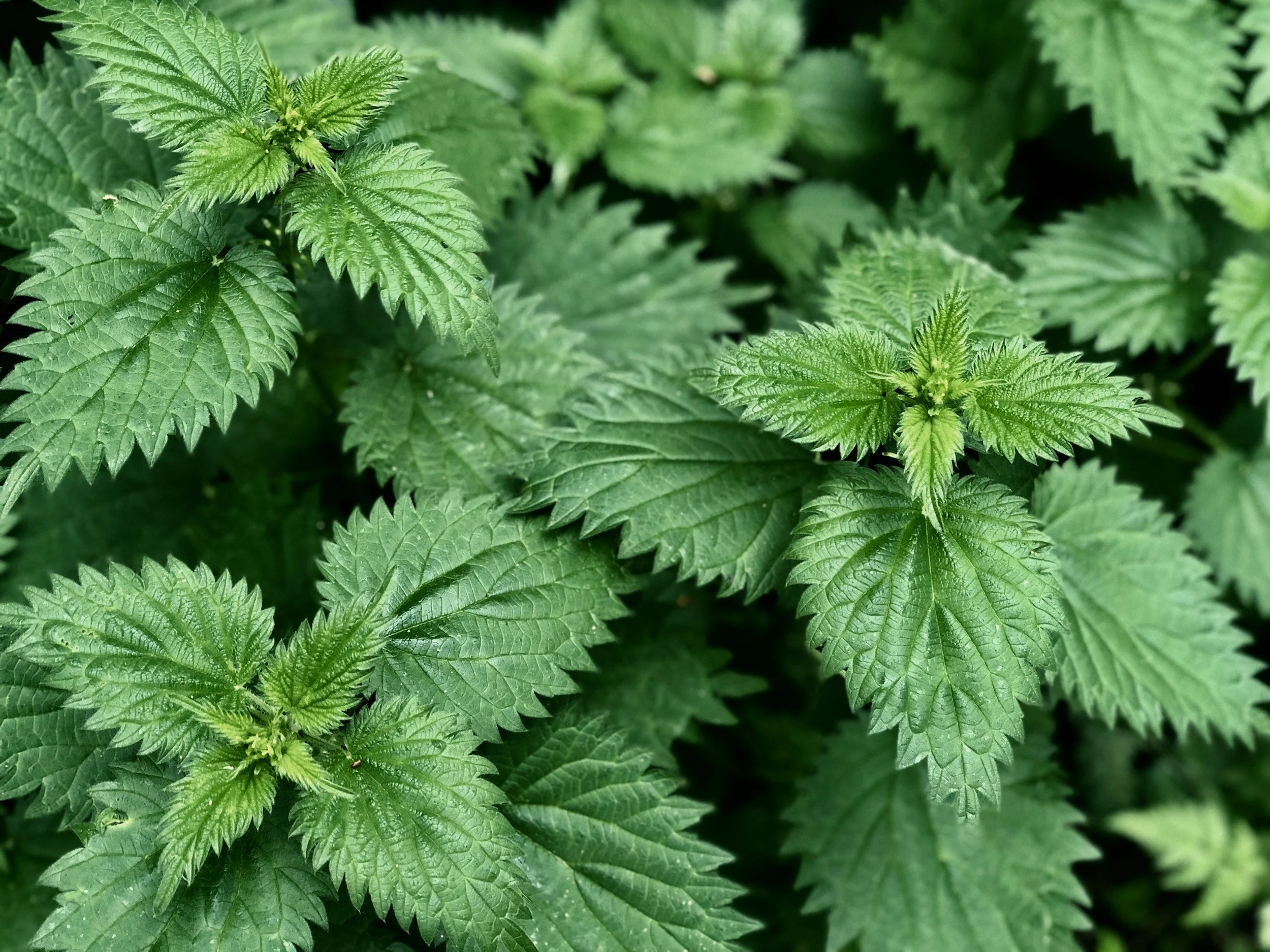
Herbal medicine - Herb of the month: Nettle
Nettle is mineral rich and nourishing to our blood - a wonderful spring tonic that lifts energy and eases hay fever. Nettle is considered a wonderful cleansing tool that nature provides us in abundance in spring, just when we need it most. It is high in iron as well as essential minerals like magnesium, calcium, potassium and zinc as well as vitamins A, C and K. It is favoured as a rejuvenating tonic. It strengthens our kidneys as well as cleansing our blood. It is particularly rich in iron and is one of my favourite herbal teas to recommend for menstruating women, especially if they are anaemic and generally very restorative during female puberty, perimenopause and menopause. They do stimulate the kidneys, so can be helpful in gently cleansing the body of toxins.
From a TCM perspective, nettle can help to cool heat in the Liver. Spring is the time to support our Liver or we may see symptoms of stagnation in the liver and accumulation of toxicity. In Ayurveda, Nettle can help to balance the Kapha dosha. As a bitter herb it helps to stimulate Agni (digestive fire) which can be sluggish at this time of year.
Additional benefits: Nettles are particularly helpful for water retention and can be beneficial for bladder infections or gout, arthritis as well as great for skin conditions. Nettle brings natural relief for allergies and hay fever so a great medicinal plant to use at this time of year.
How could you use nettle this month?
Tea / Infusion: 1–2 tsp dried nettle leaf per cup, steep 10 min. If you are wanting it as a blood builder and benefit from its iron rich qualities then I recommend making a teapot or cafetière with 1 heaped tablespoon of nettles and allow to brew. Drink 3 cups throughout the day, adding some hot water to bring the tea to a good temperature. It blends nicely with peppermint or lemon balm for added flavour but I love it pure.
Food: Sauté young nettle leaves like spinach. Add to soups and smoothies. It makes a delicious pesto: Blanch 80g nettle leaves (or half and half with basil leaves) and blend with 50g pine nuts or sunflower seeds, 50g of parmesan or vegan alternative, 1 clove garlic, 150ml of olive oil, pinch of salt. Toss with pasta or spread on toast or add a dollop to roasted vegetables, soups or fish. You could also boil a pan of nettle leaves for 10 minuites. Remove the leaves and then cook rice or quinoa or your chosen grain in the water for an enriched grain.
Top Tip: If you are foraging locally for nettles. Choose wisely! I would recommend picking nettles (with gloves) that are away from busy roads (as they can absorb environmental toxins) as well as popular dog walking spots (for obvious reasons!). Pick them when they are young and before the seeds grow as they can be slightly irritating to some people. Soaking them in water will take the sting out.
Recipe I am going to try this month:
Recipe inspiration: https://www.kindearth.net/very-nettle-wild-vegan-soup/
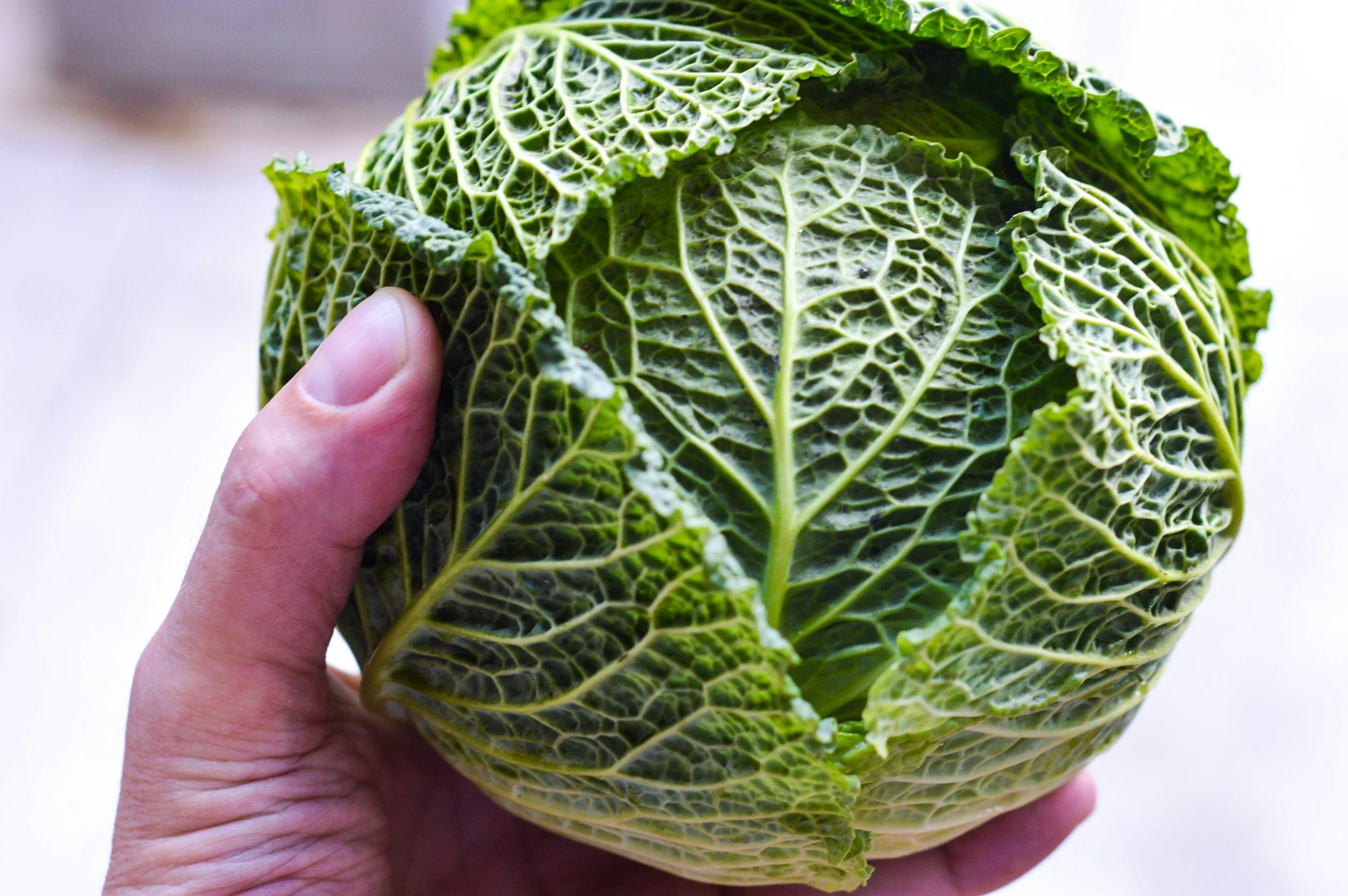
Nourishing Ourselves With Seasonal Vegetables
– Savoy cabbage
Savoy cabbages are packed in vitamin C, K as well as iron. They are a rich in prebiotic fibre which support a healthy gut microbiome. They are also a wonderful source of potassium making them a heart-friendly choice. They also contain compounds like glucosinolates and sulphur that have anti-inflammatory properties.
Simple Recipes:
For maximum nutritional benefits they are best raw or lightly steamed but my family and I love them cut into wedges and roasted with olive oil, sea salt and plenty of black pepper.
Spring coleslaw: Blend one avocado with one clove of crushed garlic, 1 tsp of maple syrup, juice of half a lime, salt and pepper and then mix well with thinly shredded savoy cabbage and grated carrots.
Recipe to try this month:
Recipe inspiration: https://ottolenghi.co.uk/pages/recipes/grilled-hispi-cabbage-coriander-garlic-chilli-lime-oil
This month’s Vitamin / Mineral Focus
March – Iron & Folate
Why: To really support the growth of spring and rebuild our energy we need redox support and blood-building nutrients like Iron and Folate.
How: Lightly stir-fried young greens, rich nettle tea or sprouted seeds and legumes.

Ayurvedic Self-Massage (Abhyanga)
March’s Ritual
Ritual:Ayurvedic Self-Massage (Abhyanga)
Nervous system support: Tuning inward and recognising where you are holding tension. The loving act of touch to help you ease this tension, letting go of what you are holding onto.
Extra tip: Diffuse some lavender or frankincense oil in the room while you massage to aid deep relaxation.
Self-massage is considered a daily ritual in Ayurveda to help to stimulate the lymphatic system and circulation, loosen toxins and clear tension, as well as rejuvenate your whole body and mind. I can’t seem to find the time for this daily ritual, but in some ways I think, as I haven’t got enough time, I am probably more in need of it. The more I fit it in, the more I understand this deeply nurturing self-care practice and how much I benefit from it.
Warmed sesame oil is the most beneficial oil to use but if you are a ‘hot person’ then coconut oil might be a better choice. You can either warm the oil in an airing cupboard, or on top of a radiator or I like to add some oil to a small bottle then place in a bowl of boiled water for a few minutes until it reaches a comfortable temperature. Begin at your feet and work up the legs and then your arms. Working the oil deeply with long strokes on the limbs and circular strokes around joints. Massage around the abdomen and chest with clockwise circular motions. You can also massage around your shoulders and neck and into your scalp. I also like to massage my face, but I tend to use coconut oil or castor oil for this, working on the tension I always hold in my jaw. Allow the oil to sink into your skin for as long as you can but 10 - or even better 30mins, keep yourself warm by wrapping yourself gently in an old towel and then enjoy a warm bath or shower. You won’t need to use soap but you may wish to wash your hair.
If you are looking for a good quality Ayurvedic massage oil then try the ones from Earthen Living. They have a gorgeous cured sesame oil. I also love their Summer Rose oil too. And if you know your dominant Dosha then they do gorgeous oils for each Dosha but if you are not sure then their 3-Dosha oil is also perfect.
Reflection Prompt
“How can I nourish rather than push myself this month?
A Gentle Note on Safety & Individuality
While herbs are natural, they are also biologically active. What supports one person may be inappropriate for another, depending on their constitution, medications, life stage, or current health issues.
March – Nettle (Urtica dioica)
This herb may not be suitable if…
You have severe kidney disease requiring fluid restriction
You are taking diuretics or lithium, due to additive effects
You experience digestive irritation from mineral-rich infusions
Nettle is nourishing, but strong infusions may feel too stimulating for some.
As always, dose and timing matter. Herbs that are supportive in small amounts or seasonally may feel depleting if used daily or long-term without guidance.
If you feel unsure whether this herb is right for you, then it is advisable to seek personalised guidance.
Important note:
The information shared in this series is for educational purposes only and is not intended to replace personalised medical or herbal advice. Herbs are biologically active substances and may not be suitable for everyone. If you are pregnant, breastfeeding, taking medication, or managing a medical condition, please seek individual guidance from a qualified practitioner before using herbal remedies regularly.