
April – Spring / Wood/ Kapha
Dandelion & Asparagus: Cleansing Rituals for Fresh Spring Energy
A Year of Seasonal Self-Care with Plants and Rituals

Every day feels like a journey through the seasons at the moment.
Basking in much awaited warm sunshine one moment, then chilly winds and even hail has us grabbing our wintery layers. But we know this is the journey of Spring, and we are heading for the warmth.
We are keen to clear winters layers and that’s when reflecting this in our own nutritional practices can be really helpful. Aligning to more fruits and vegetables that have cleansing benefits can be really beneficial at this time of year. Choosing foods that clear congestion and mucus that has built up over winter is really helpful in avoiding spring colds, suffering with seasonal allergies and preventing inflammation, skin issues, hormone imbalances and digestive issues at a later date.
In April, according to Traditional Chinese Medicine (TCM), we are in the Element of Wood. Continuing our health focus on the liver and gall bladder. In Ayurveda, we are still governed by Kapha. Supporting gentle cleansing and some focussed detox practices, can be really beneficial at this time of year to release stagnation and build vitality and energy. It is definitely a time to release heaviness, dampness and sluggishness and increasing bitter foods will help to cut through this and stimulate the liver.
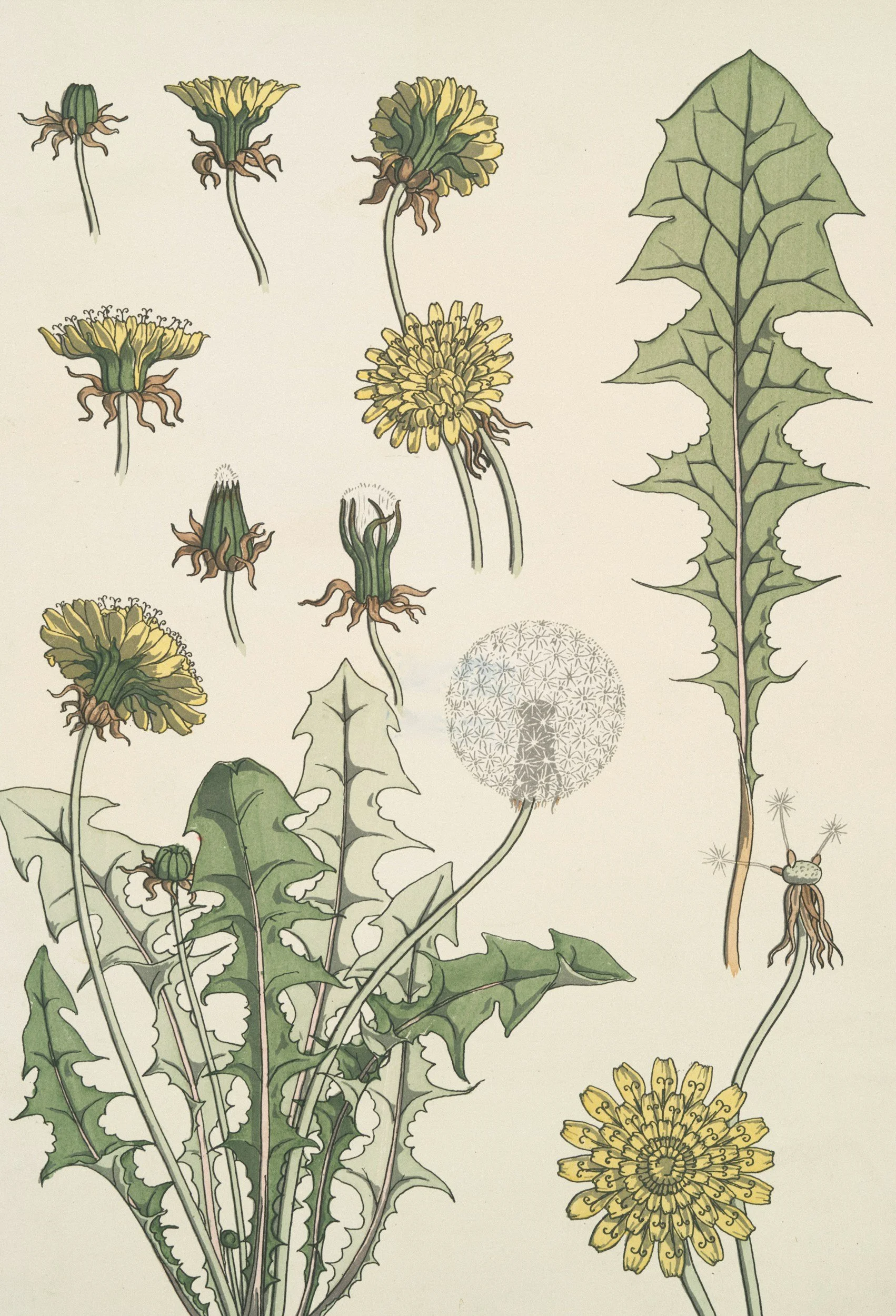
Herbal medicine - Herb of the month: Dandelion
Dandelion is known as a traditional herb for the liver. As a Naturopath, we use the leaves and the roots for a variety of digestive disorders as well as skin issues.
In Ayurveda, Dandelion is considered a powerful antidote to helping to dry excess moisture, it also stimulates Agni (digestive fire) and gently encourages elimination of accumulated ama (toxic matter). Too much ama can lead to health problems. The bitterness awakens our digestive fire, it’s action helps movement and clears the way.
Dandelion leaves have a diuretic action and can help to reduce water retention and lymphatic congestion, while the dandelion roots more deeply support the liver and bile flow. They are rich in vitamins A and K, and therefore are also great for eye, skin and bone health. They are also rich in calcium and magnesium, as well as iron. The roots also contain inulin, a type of soluble fibre that acts as a prebiotic, supporting a healthy gut microbiome. The roots are a good source of vitamins like A, C, and K, as well as minerals, potassium, and iron. In TCM, at this time of year supporting the liver can help the smooth flow of Qi (energy). TCM considers dandelion’s as cooling and is helpful to clear heat, moving stagnation and supporting detoxification pathways.
Dandelion flowers are rich in antioxidants like beta-carotene and polyphenols, which protect against cellular damage and reduce inflammation. They are quite strong diuretics, so great for cleansing but be careful with any kidney issues. They also provide essential vitamins and minerals. But as they are also essential early nourishment for bees I would encourage you not to pick too many and leave some for our pollinators.
Research into the benefits of dandelions has shown potential in managing diabetes and preventing certain types of cancer.
The Dandelion plant, taking the leaf flower and the root, embodies the intelligence of Spring and nature of course has provided for us just what we need at a time we need it most. Clearing, detoxing, stimulating and physically grounding it can support us emotionally too with a sense of renewal as we draw forward into Spring’s energy.
How could you use dandelion this month?
Tea / Infusion: 1–2 tsp dried dandelion leaf per cup, steep 10 min.
Enjoy Dandelion leaf in a blend with nettle and mint for a Spring cleanse tea.
Ground dandelion root can also be made into a hot drink with 1tsp per cup and stir really well with hot water. It’s rich and bitter flavour can be considered similar to coffee, making it a healthy alternative with medicinal benefits. Add milk, a teaspoon of raw cacao and a dash of maple syrup to make a delicious mocha-style drink.
Food: Sauté young dandelion leaves like spinach. Add to soups and smoothies. Eat them raw in salads (they taste bitter like rocket) add the flowers to the salad too.
It makes a delicious pesto: Blend 80g dandelion leaves (or half and half with basil leaves) and blend with 50g walnuts or cashews, 150ml of olive oil, squeeze of lemon juice pinch of salt. Toss with pasta, drizzle over chicken, fish or roasted vegetables.
Top Tip: If you are foraging locally for dandelions. Choose wisely! Avoid popular dog walking spots (for obvious reasons!).
Recipe I am going to try this month:
Recipe inspiration: Dandelion chimichuri sauce

Nourishing Ourselves With Seasonal Vegetables
– Asparagus
I have to admit, once I tasted the Asparagus grown at New Forest Fruit Company I have a bit of a love-affair with their asparagus and will pick some up from my local farm shop (Danestream Farm Shop) whenever it is available. If you can find a local supplier of Asparagus, it is well worth paying the extra for it’s delicious flavour which you will also know will be more packed full of nutrients.
As a kidney tonic and a diuretic with cleansing benefits, it is considered a wonderful Spring tonic by Naturopaths. About 10-15% of asparagus is actually made up of inulin, a soluble fibre which acts like a prebiotic and can help healthy microbial balance in our gut. It also has bioavailable pre-formed glutathione which is quite rare in plants. Glutathione is a master antioxidant and helps to regulate inflammation. It’s an excellent source of folate, copper, B1, B2, Vitamin C, E and K.
People often complain of “asparagus pee” which most people get but not everyone can smell it. The phytonutrient rich asparagus acid that is released in urine when we consume asparagus, has very reactive sulphur atoms giving off a strong scent in urine. I do have a vivid memory in the early days of pregnancy with my first son and going to a wedding when everyone had asparagus as a starter. My sense of smell was heightened due to pregnancy hormones and visiting the loo was particularly difficult in those early, nauseous days!
Asparagus is considered an adaptogen, having benefits to adapt and balance the body in what it needs, especially balancing hormones and supporting the body’s resilience to stress.
Simple Recipes:
Enjoy gently steamed with boiled eggs and hollandaise sauce.
Stir fry them in olive oil with peas and slices of courgettes, stir through some spinach and crumbled feta for an easy, spring side dish.
I love them griddled with courgettes and a drizzle of a rocket pesto: (toast 1 tbsp of sunflower seeds and 1 tsp of pine nuts then blend these with lemon juice and zest of one lemon, 100ml of olive oil, 100g of rocket leaves and a pinch of seas salt).
They are also delicious in omelettes, risottos and pasta dishes.
Recipe I am going to try this month:
Recipe inspiration: Prawn, asparagus and courgetti spaghetti
This month’s Vitamin / Mineral Focus
April – Potassium & Vitamin K
Why: Spring detox and liver support benefit from electrolyte balance and blood clotting support.
How: Asparagus, dandelion greens, avocado, or leafy greens.
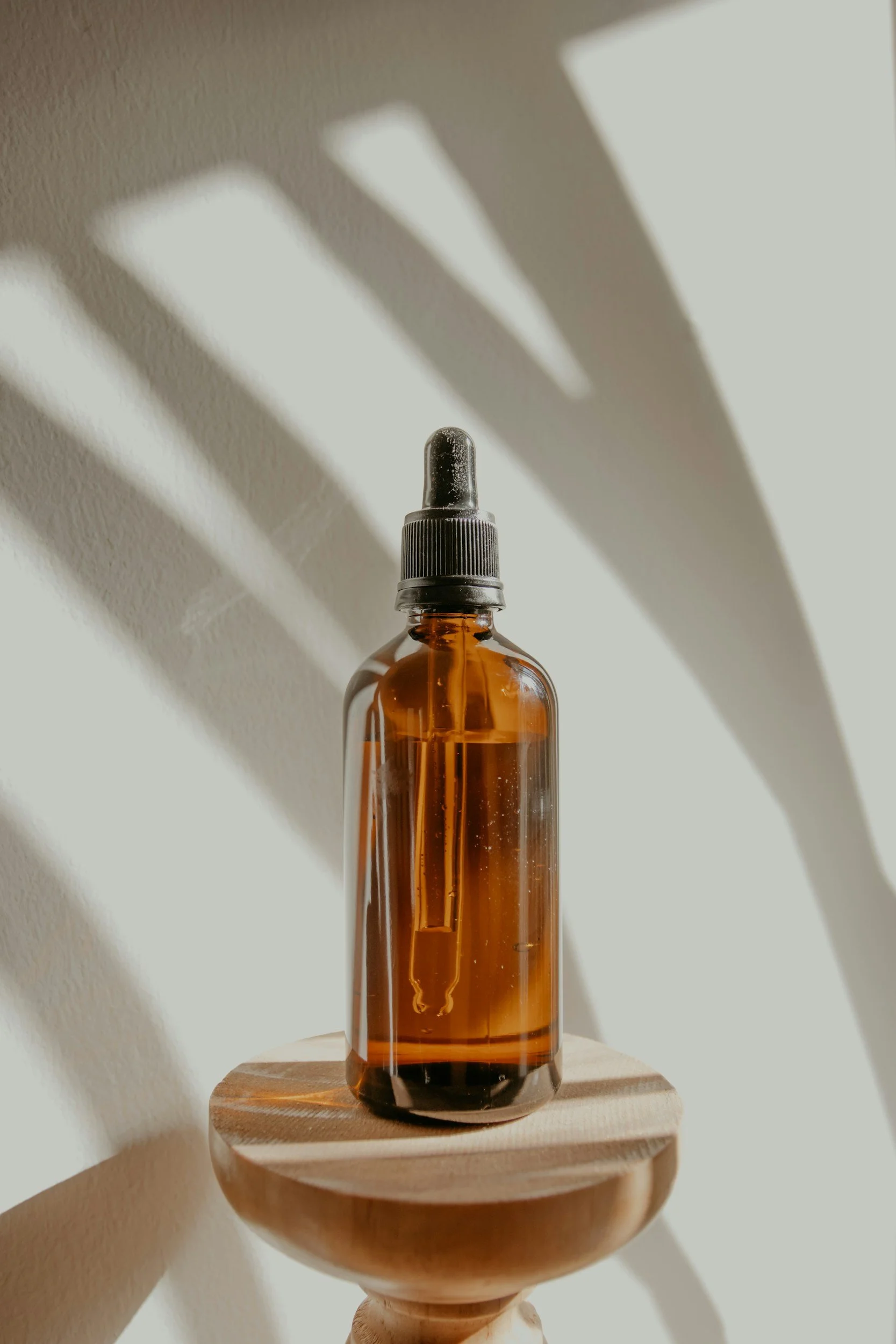
Ayurvedic Nasya oil (Anu)
April’s Ritual
Ritual:Nasya oil to the nasal passages
Nervous system support: In Ayurveda, Nasya oil is traditionally been used to strengthen the sensory organs and bring more mental focus and clarity. It has a grounding effect on the nervous system.
Nasya or Nasal oil is a traditional Ayurvedic daily ritual used to lubricate, protect and heal the nasal passages. This can be particularly supportive in Spring when rising pollen and environmental allergens can irritate and inflame the delicate nasal passages. In the Kapha season where there is likely excess mucus and congestion the sinuses can be more sensitive. Applying a few drops of this herbal oil which has warming and lubricating benefits can help to protect the tissues from the drying wind and changes in temperatures.
Nasya is also considered to nourish prana - the vital life force which enters through breath and helps to support mental focus, clarity and sense of grounded presence. It is particularly helpful at balancing Vata energy which can still be disturbed from Winter and the changing temperatures and cold spring winds.
This daily ritual, which takes just a few moments is not just about prevention and protection but gives a sense of attunement.
I love the Earthen Living Anu Oil which is a traditional polyherbal oil with a warming blend of Himalayan cedar, cinnamon, tulsi, shatavari and cardamon.
Shop for Earthen Living Anu Oil here
Reflection Prompt
“How can I invite freshness, clarity, and lightness into my body and mind this month?”
A Gentle Note on Safety & Individuality
While herbs are natural, they are also biologically active. What supports one person may be inappropriate for another, depending on their constitution, medications, life stage, or current health issues.
April – Dandelion (Taraxacum officinale)
This herb may not be suitable if…
You have a bile duct obstruction or gallstones or heart issues, unless supervised
You experience strong digestive upset from bitter herbs
You are allergic to plants in the Asteraceae family
Leaf is generally more gentle than root.
Important note:
The information shared in this series is for educational purposes only and is not intended to replace personalised medical or herbal advice. Herbs are biologically active substances and may not be suitable for everyone. If you are pregnant, breastfeeding, taking medication, or managing a medical condition, please seek individual guidance from a qualified practitioner before using herbal remedies regularly.