
May – Spring / Wood/ Kapha
Cleavers & Artichoke: Mindful Tea and Humming Bee Breath to awaken the senses and invite clarity to mind and body
A Year of Seasonal Self-Care with Plants and Rituals

As Spring is building nicely, our energy is lifting and we feel a gentle burst of Spring energy.
In May, according to Traditional Chinese Medicine (TCM), we are in the Element of Wood. Continuing our health focus on the liver and gall bladder. In Ayurveda, we are still governed by Kapha. Supporting gentle cleansing and some focussed detox practices can be really beneficial at this time of year to release stagnation and build vitality and energy. It is definitely a time to release heaviness, dampness and sluggishness and increasing bitter foods will help to cut through this and stimulate the liver.
Keeping healthy depends on many aspects and there are many ways to maintain, as well as restore our health. Spring is the ideal time to focus on rejuvenation and that should be tailored individually but with a focus on the health of the body, mind, spirit and the emotions.
In TCM the emotions of the liver are anger, frustration and unresolved resentment. Our Gallbladder is the planner and energetically helps us to make decisions. These emotions can be challenged during Spring or it can help us to focus on seasonal changes and ‘planting the seeds’ for fruition later in the year. What do you feel you are holding onto that you could let go of with peace and compassion? What would you love to bring into your life, what are your dreams and how can you make it happen?
Following the recommendations of Ayurveda will really help you to gently balance the body, mind, spirit and emotions through flavour. During Spring, Kapha accumulation can increase. It is aggravated by sweet, sour and salty flavours as these all increase moisture. So in Spring we should reduce these flavours in our diet. We should avoid cold, damp foods such as ice cream, dairy and out of season fruits. Bringing in more dynamic exercise can be helpful and stimulating the lymphatic system with massage and hot and cold therapies.
One thing I have started to do is make a seasonal spice to add to my foods. These are recipes from The Everyday Ayurveda Cookbook by Kate O’Donnell. This makes it so easy to use the spices that are perfect for each season and balancing to our Doshas.
Spring Spice Mix
1 tbsp of whole coriander seeds
1 tsp of fenugreek seeds
1 tbsp of whole cumin seeds
1 tbsp turmeric powder
1 tbsp of ginger powder
1 tsp of black pepper
1/8 tsp of cayenne pepper
Pinch of clove powder
Dry roast the coriander, fenugreek and cumin seeds in a heavy bottomed pan until you can smell them, just a few minutes. Cool completely. Then combine them with the rest of the spices and grind to a uniform consistency in a coffee grinder dedicated to spices or by hand with a pestle and mortar. Using a teaspoon or funnel, transfer the spice mix to an air tight jar. Use freely in cooking.
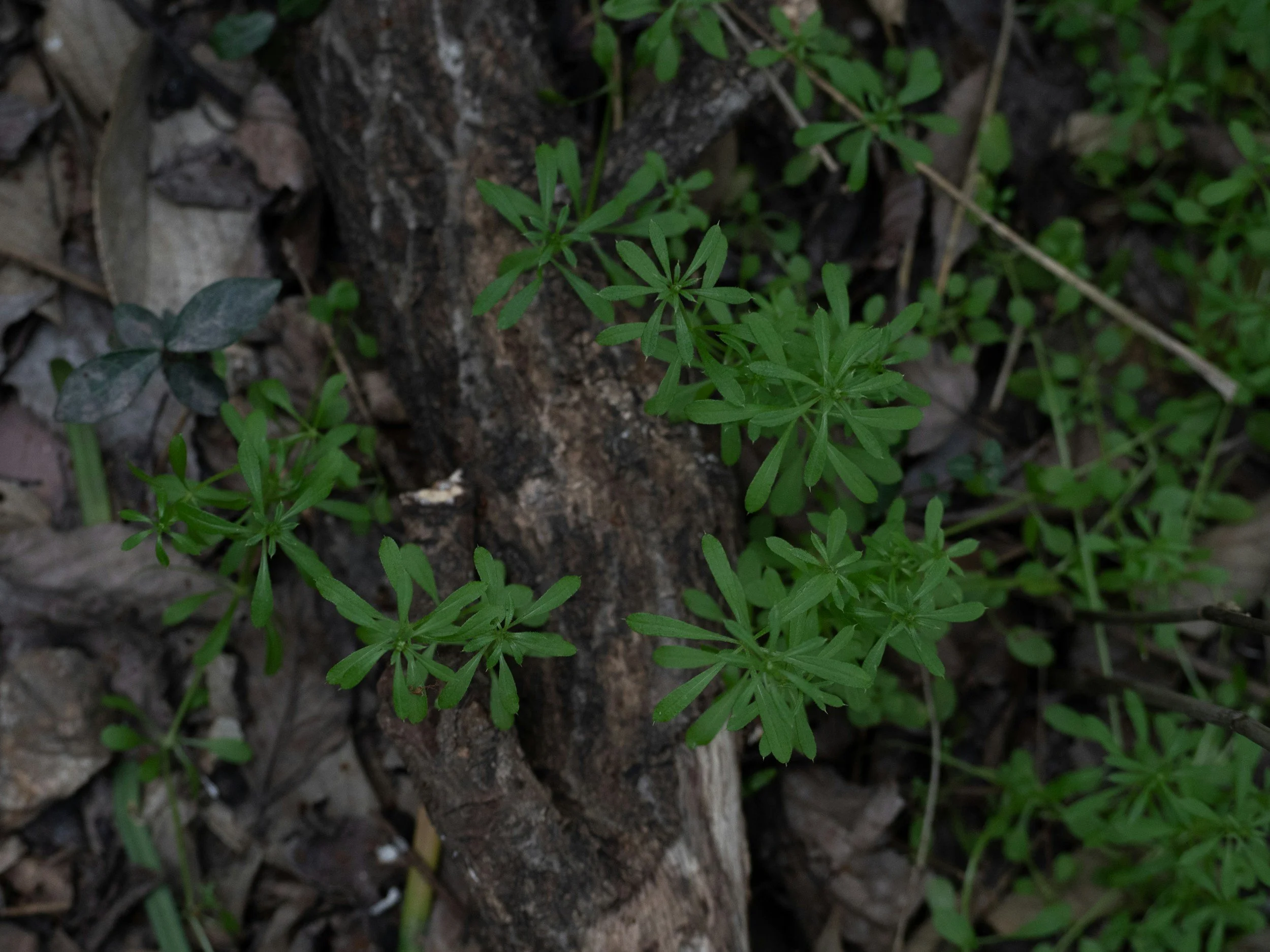
Herbal medicine - Herb of the month: Cleavers (Rubiaceae)
Also known as Sticky Willy or Sticky Weed. This plant was a delight for me as a child. I loved to playfully grab handfuls from the lane that ran down the side of our house to the park and throw them at my sisters’ backs to stick to their clothes. Sticky Willy fight-off would usually follow!
Cleavers, rather than a common weed is actually a highly potent medicinal plant that grows abundantly in the UK in hedgerows and banks. This is a great herb to help that shift from Winter to Spring. Cleavers helps to stimulate the lymphatic system. It is a diuretic and kidney tonic with anti-inflammatory benefits.
How could you use Cleavers this month?
Infusion: Add a good handful to a jug of water and leave overnight. Enjoy the fresh water infusion the next day.
Juice: Add fresh leaves to smoothies or juices. Delicious with cucumber with mint or lemon and ginger.
Topically: You can mash up the stems and leaves to make a poultice and use directly on skin irritations.
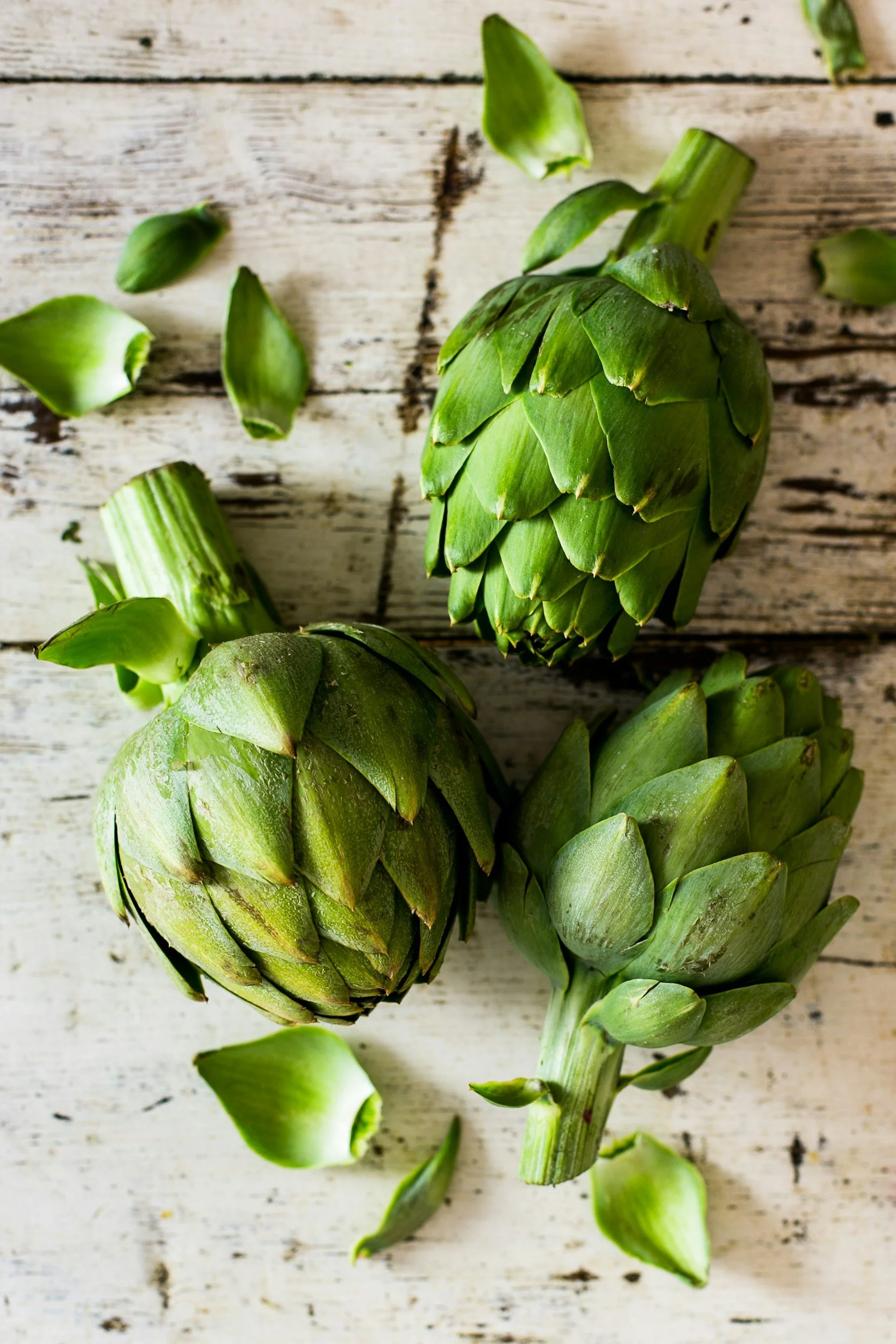
Nourishing Ourselves With Seasonal Vegetables
May – Artichoke
Health Benefits: Liver and gallbladder support, digestive bitter, antioxidants
Eating local, seasonal foods, as much as possible, can help us to align with our environment. According to Ayurveda, in Spring, it is recommended to increase foods that are more bitter, astringent and pungent which will help to cut through the dampness of Kapha accumulation.
In the UK, Artichoke season is in May through to September/October. Artichokes are a combination of bitter and astringent flavours and can be helpful in stimulating our digestive fire (agni), reducing Pitta and Kapha doshas. It can be aggravating to Vata but if you enjoy it with ghee or olive oil then this balances this quality making it a perfect seasonal vegetable for everyone to enjoy at this time of year. Once again nature has provided us with the perfect remedy to keep our health in balance.
Traditionally, Artichoke is considered as a digestive aid and can help to stimulate the production of bile from the liver, as well as release bile from the gallbladder. Bile is essential in breaking down fats, allowing us to absorb essential fat-soluble vitamins such as vitamins A, D, E and K; supporting our immune, bone and eye health. Artichokes are rich in silymarin which is beneficial for the liver. Several studies have shown that Artichokes can help lower cholesterol and they are also well known to ease bloating and support skin health.
Simple Recipe:
Steamed Artichoke with Olive Oil Dip
Trim artichoke, remove tough leaves
Steam 25–30 min
Serve with a drizzle of olive oil and squeeze of lemon
Some people are sensitive to the Asteraceae family and therefore should avoid artichoke. If you have a bile duct obstruction, then you should also avoid artichoke tea.
If you can’t get hold of fresh artichokes easily then here is a delicious recipe using jarred artichokes.
White bean and artichoke croquettes (from The Everyday Ayurveda Cookbook by Kate O’Donnell)
Makes 6
1 cup of cooked white cannellini beans
Handful of spinach
2 marinated drained artichoke hearts
1 tbsp of ground flaxseed
Pinch of salt and pepper
Pinch of dried basil
1/4tsp of lemon zest.
Preheat the oven to 180. Line a baking tray with parchment paper. In a large mixing bowl, mash up the beans with a fork. Chop the spinach and dice the artichokes and then stir them into the mashed beans with the fort. Add the flaxseed, a pinch of salt and pepper, lemon zest. Mix well together and then form 6 patties. Distribute them on the parchment paper and bake for 10 minutes on each side or you can fry them in ghee over a medium heat until browned.
Enjoy them with a mustard dressing.
This month’s Vitamin / Mineral Focus
May – Vitamin C & Antioxidants
Why: Late spring, Pitta is rising; antioxidant support helps prevent inflammation and supports liver & heart health.
How: Peppers, fresh artichokes, berries, citrus. Eating the rainbow.
Example: Steamed artichoke with citrus drizzle.
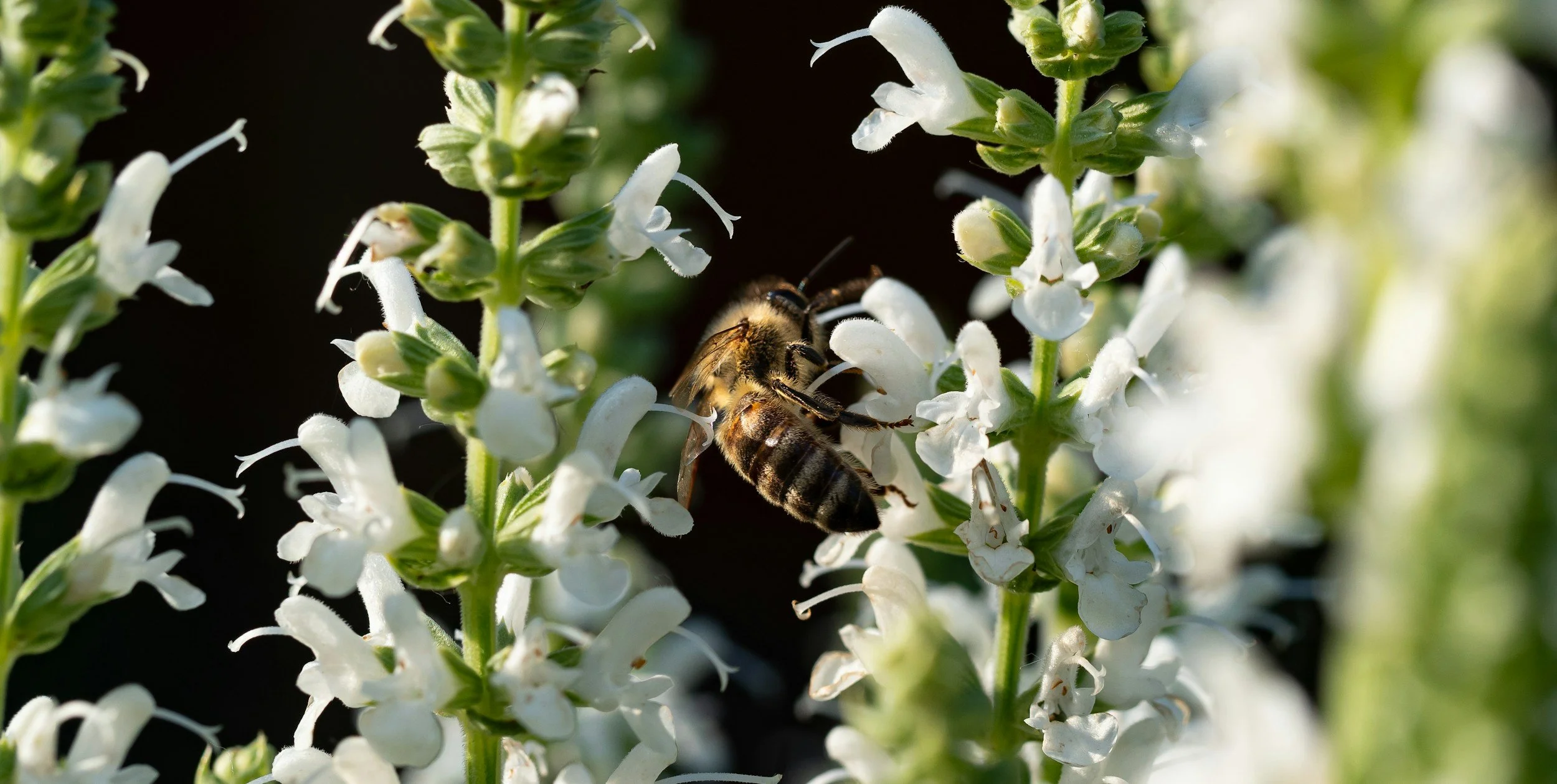
Humming bee breath for the nervous system
April’s Ritual
Ritual: Morning Mindful Tea + Humming Bee breath
I first read about this breath technique in Sebastian Pole’s book A Pukka Life. Sebastian was the Founder of Pukka Teas and a renown Ayurvedic Practitioner.
“The Humming Bee Breath. This is a truly beautiful rejuvenating exercise that will awaken your mind and nourish your soul. Sit straight in a comfortable position, hands resting in your lap. Take a deep breath and, as you exhale, hum like a bee. Hummmmmmmmmmmm. While you are humming, bring your hands up past your belly, over your chest and begin to caress the skin on your face, finally bringing your palms to rest over your ears, with your elbows out to the side. Let the soothing vibration fill your head, heart and mind. When you have finished exhaling, let your hands settle in your lap, then repeat a few times. Be aware of your whole body-mind rejuvenation”
I love this simple breath practice on spring mornings, which are the ideal time to do this breath, sat in the garden watching the bees busy in the spring flowers, while you also soak up vitamin D from the sun and ground your energy on the earth beneath you.
Then follow with sipping your tea - a gentle grounding start to the day.
Reflection Prompt
“How can I invite ideas and potential for growth this month? What is holding me back, how can I let go of any unresolved anger so I can move on?”
Optional: Write one small act you can do daily to embody this energy.
A Gentle Note on Safety & Individuality
While herbs are natural, they are also biologically active. What supports one person may be inappropriate for another, depending on their constitution, medications, life stage, or current health issues.
May - Cleavers (Rubiaceae)
This herb may not be suitable if…
You have a have existing kidney conditions or are taking diuretic medications or are pregnant or breastfeeding.
As Cleavers is a mild diuretic, you may notice increased urination and therefore it is important to stay well hydrated.
Some people suffer from contact dermetitis when handling the raw stems.
Safety Note: Cleavers is generally very safe. Culinary and tea amounts are typically well tolerated.
Important note:
The information shared in this series is for educational purposes only and is not intended to replace personalised medical or herbal advice. Herbs are biologically active substances and may not be suitable for everyone. If you are pregnant, breastfeeding, taking medication, or managing a medical condition, please seek individual guidance from a qualified practitioner before using herbal remedies regularly.