
February – Late Winter / Water→Wood - Vata—> Kapha
Warming self care and nourishing our digestive system
A Year of Seasonal Self-Care with Plants and Rituals

Living in harmony with the seasonal changes and balancing the elements can make a profound difference to your health. Changing what is in your cup, in your bowl and what you surround yourself with can have a positive influence on your mood and vitality.
February brings with it hopes of Spring. The weather is still very much winter around us, the air is still cold and the body still needs warmth and grounding. As we go through the month, we might feel the energy lifting, just like the snow drops peeking through the earth as a sign of more light to come.
In February, according to Traditional Chinese Medicine (TCM), we are still in the Element of Water: with a focus on supporting the kidneys, nervous system and our deep reserves of energy, but we are transitioning into the Element of Wood in March. And in Ayurveda, we are still in the season of Vata: and we would still benefit from the calming and grounding and restorative practices to help us to feel more in balance and build energy but we are moving into Kapha: A time when we might experience feeling more heavy, more symptoms from accumulation of damp, and being slow of the winter.
We are very much between the seasons but it does come with hopefulness that can bring some lightness to our mood and energy. In late winter we want to focus on improving digestion, assimilation and bringing in some gentle renewal.
Tuning into what our body and minds need as the seasons change is beneficial because herbs are powerful and definitely not neutral. They can be heating or cooling or could be grounding, nourishing or detoxing. Many herbs also have a beneficial effect on some of the organs so changing up your choice of herbs can have a profound effect on the balance of your health. Using the same herbs all year round can sometimes create a subtle imbalance.
In winter we are still in need of warming herbs and spices that support our digestion and circulation as well as inward, gentle nurturing of the nervous system.
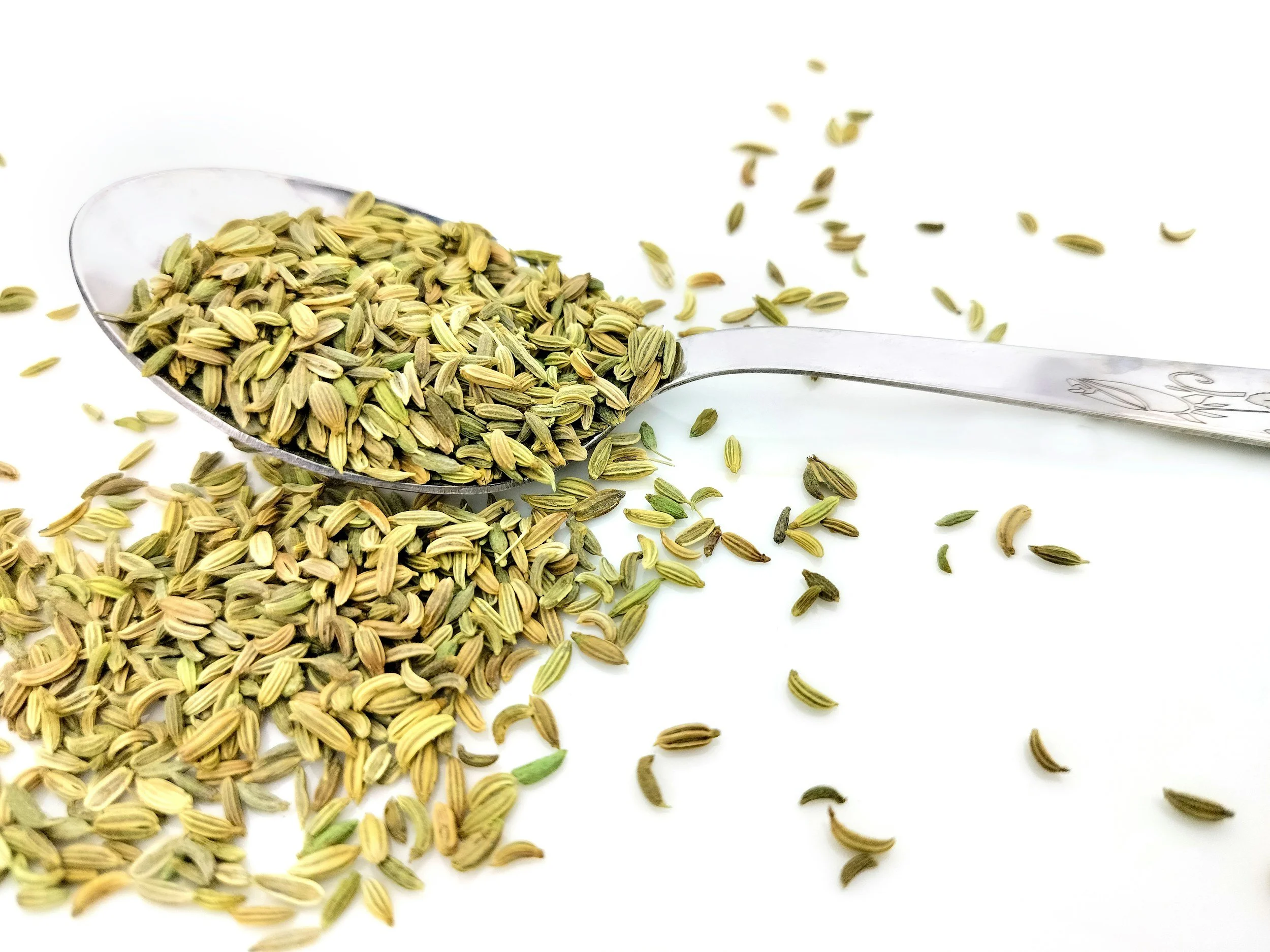
Herbal medicine - Herb of the month: Fennel
Fennel helps to build digestive strength by increasing digestive enzyme production and promotes assimilation and absorption. It’s warming and has a relaxing effect on the digestive system and can help to relieve wind, colic and acid reflux. It also gently lifts our emotional spirit. Its diuretic effect helps to increase the elimination of toxins and is a well known remedy for fluid retention. It can also help to loosen congestion or mucus that can develop into seasonal colds. This makes it an ideal remedy to bring in at this time of year as we start to transition between seasons. We want to clear some of the toxic build up from winter and reduce sticky mucus to avoid seasonal colds.
From a TCM perspective, fennel can help to move Liver Qi which is an ideal preparation before we come into Spring which is the perfect Liver time. In Ayurveda, fennel can help to balance all doshas and particularly helps to pacify Vata which can accumulate in Winter. It supports digestion without overheating.
Fennel can be a wonderful tool to relive bloating and help to prepare the body for spring movement.
Additional benefits: Fennel is also a wonderful tonic for women and can help to regulate menstrual cycles, relieve period pains and can also be used to promote breast milk production in nursing mothers.
How could you use fennel this month?
Tea / Infusion: 1 tsp of fennel seeds in hot water and allow to brew for 5-10mins.
Food: Add fennel seeds to vegetable stir-fries or soups. Roast fennel bulbs with olive oil and herbs.
Go Further: One of the best Ayurvedic tea combinations is CCF - cumin, coriander and fennel tea as together it has some wonderful digestive benefits and is considered tridoshic - so balancing to all the doshas. All three spices are well-regarded as carminatives (reduces or helps expel gas) and digestive stimulants. I use an old jar and add 1tbsp of each seed, shake to mix well then use 1 tsp of the mixed seeds per cup and add hot water for a wonderful digestive tea.
Top Tip: Chew 1/2- 1tsp of fennel seeds (you can add a little raw honey if you need to) after a meal which can help to reduce bloating and indigestion. They also act as a natural, antibacterial breath freshener.
Recipe I am going to try this month:
Recipe inspiration: https://greenkitchenstories.com/braised-fennel-with-saffron-tomato/
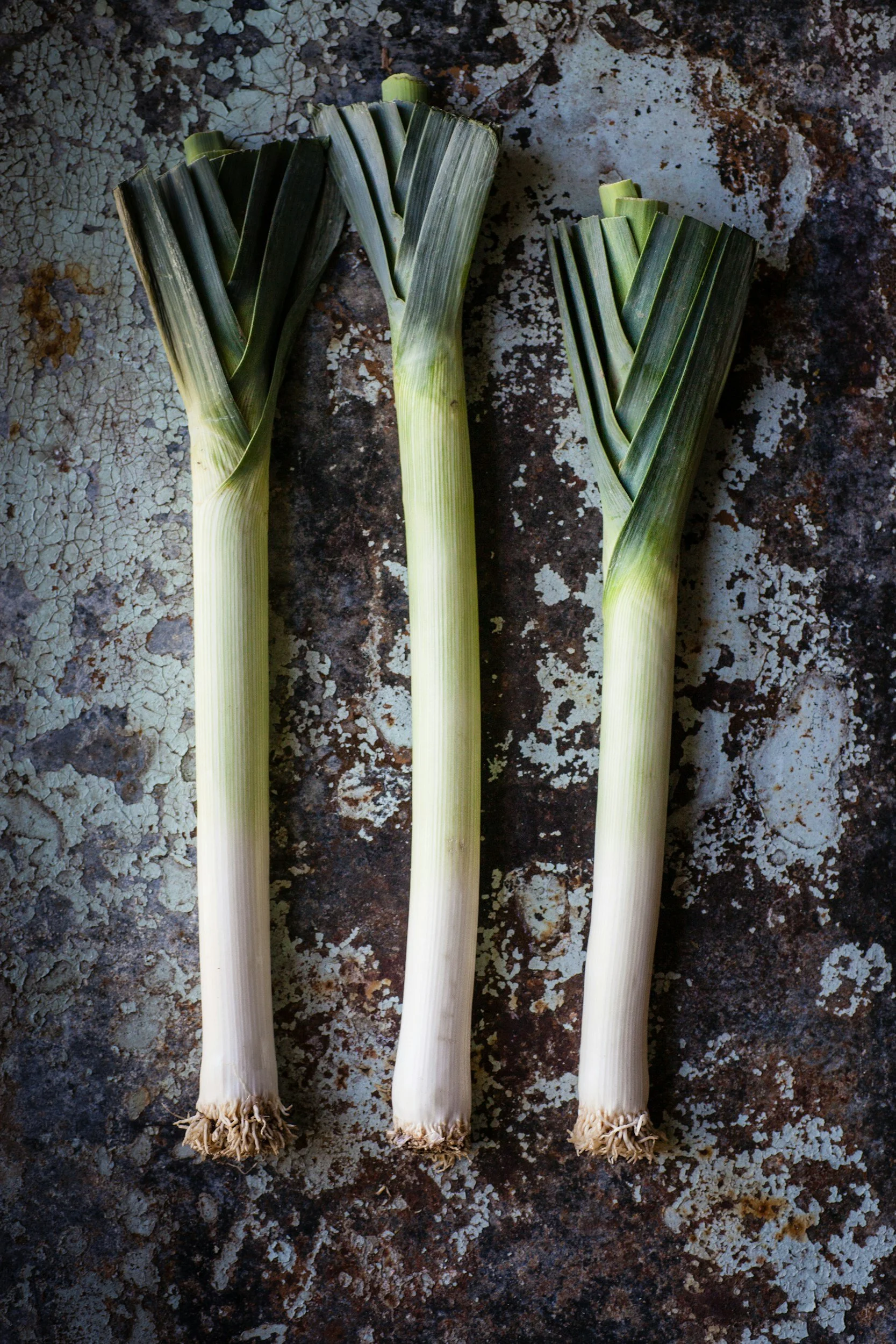
Nourishing Ourselves With Seasonal Vegetables – Leeks
Leeks are rich in prebiotic fibre which support a healthy gut microbiome. They are full of antioxidants such as vitamins A, C and, E K which helps to boost our immunity - ideal at this time of year. Leeks contain allicin which is naturally antibacterial and anti fungal and polyphenols that can help to protect blood vessels and reduce inflammation. Leeks are very versatile and can be simply stir fried or they make a great base for soups and risottos.
Simple Recipes:
Sautéed: Heat 1 tsp olive oil, sauté chopped leeks, chopped courgettes and peas with salt and pepper for a delicious side dish.
Leek & Potato Soup: Chop 2 leeks and 2 medium potatoes. Sauté leeks in olive oil 3 min, add potatoes and 500ml stock. Simmer 20 min, blend until smooth
Recipe I am going to try this month:
Recipe inspiration: https://ottolenghi.co.uk/pages/recipes/braised-eggs-leek-zaatar
This month’s Vitamin / Mineral Focus
February – Magnesium
Why: in late winter, stress, and digestive sluggishness can deplete magnesium. Magnesium helps us to buffer our response to stress, it helps to calm our nervous system, support our heart health and muscle function as well as is much needed for hormonal balance. Magnesium, in my opinion is an essential for everyone.
How: Add nuts, seeds, spinach and other leafy greens to your meals or add nettle to your tea. Enjoy a little dark chocolate. Add epsom salts to your bath or massage in magnesium balm to your shoulders and feet before bed.
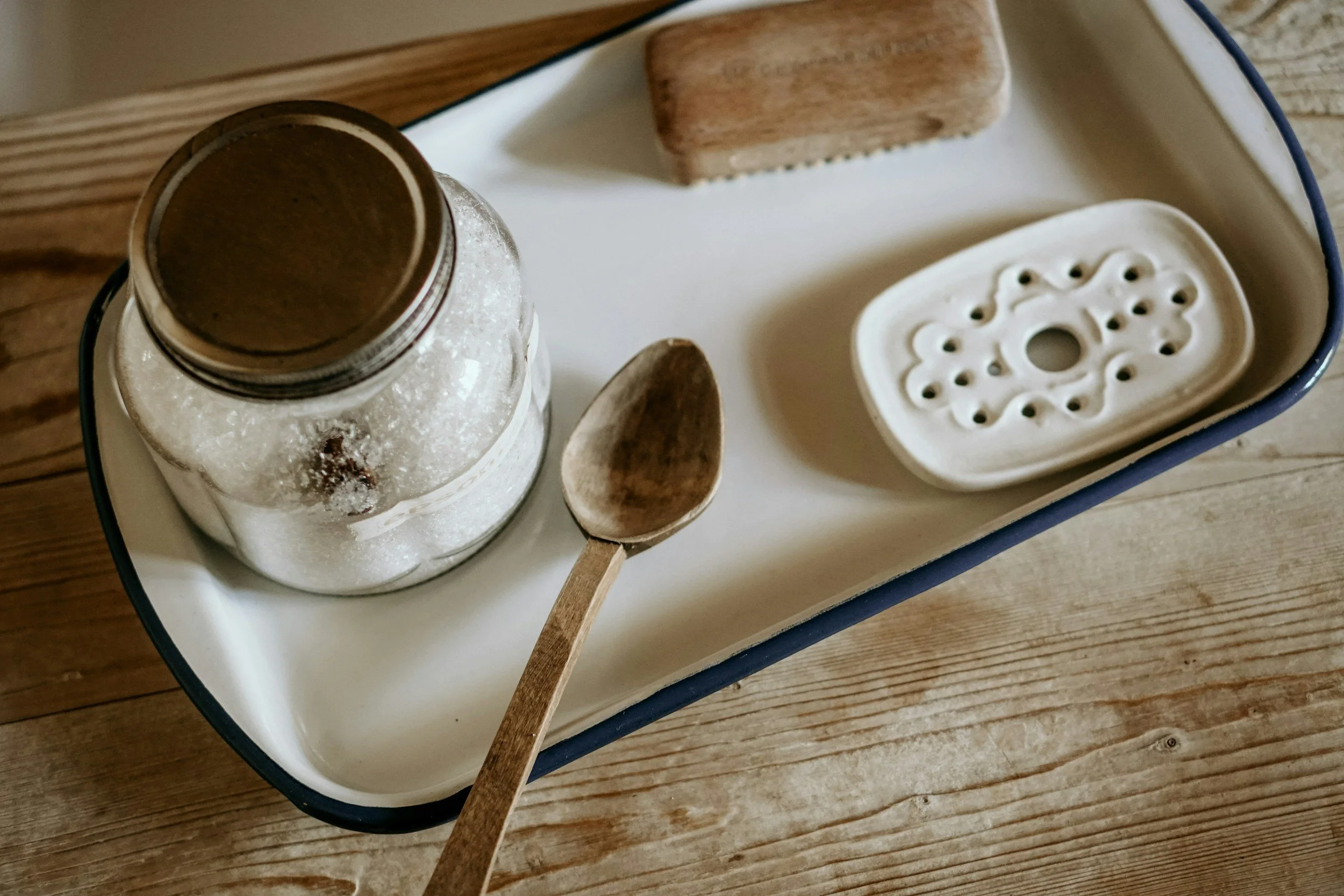
February’s Ritual
Warming Epsom Salt Bath:
Add a mug full of epsom salts to a hot bath or foot bath.
Soak 10–20 min, focusing on soft, gentle breaths.
(Avoid if you have any open wounds, have kidney disease, diabetes or are pregnant)
Nervous system support:
Fennel is mildly relaxing for digestion-related stress.
Extra tip: Encourage 5 minutes of slow, belly-focused breathing before or after meals.
Ritual: Short mindfulness or body scan while sipping fennel tea. Consider where do I feel tension, stiffness, aches or pains? How can I use the breath to release this tension.
Reflection Prompt
“What tension or emotional stagnation can I release this month?
A Gentle Note on Safety & Individuality
While herbs are natural, they are also biologically active. What supports one person may be inappropriate for another, depending on their constitution, medications, life stage, or current health issues.
February – Fennel (Foeniculum vulgare)
This herb may not be suitable if…
You have a known allergy to Apiaceae family plants (celery, carrot, parsley)
You have oestrogen-sensitive conditions and are using high-dose preparations
You experience reflux that worsens with aromatic herbs
Gentle teas are usually appropriate for most people.
In these cases, fennel may still be appropriate in culinary amounts, or paired with cooling herbs — but may not be ideal as a daily strong tea.
As always, dose and timing matter. Herbs that are supportive in small amounts or seasonally may feel depleting if used daily or long-term without guidance.
If you feel unsure whether this herb is right for you, then it is advisable to seek personalised guidance.
Important note:
The information shared in this series is for educational purposes only and is not intended to replace personalised medical or herbal advice. Herbs are biologically active substances and may not be suitable for everyone. If you are pregnant, breastfeeding, taking medication, or managing a medical condition, please seek individual guidance from a qualified practitioner before using herbal remedies regularly.