
The Root Cause of Skin Problems: What Your Skin Is Really Telling You
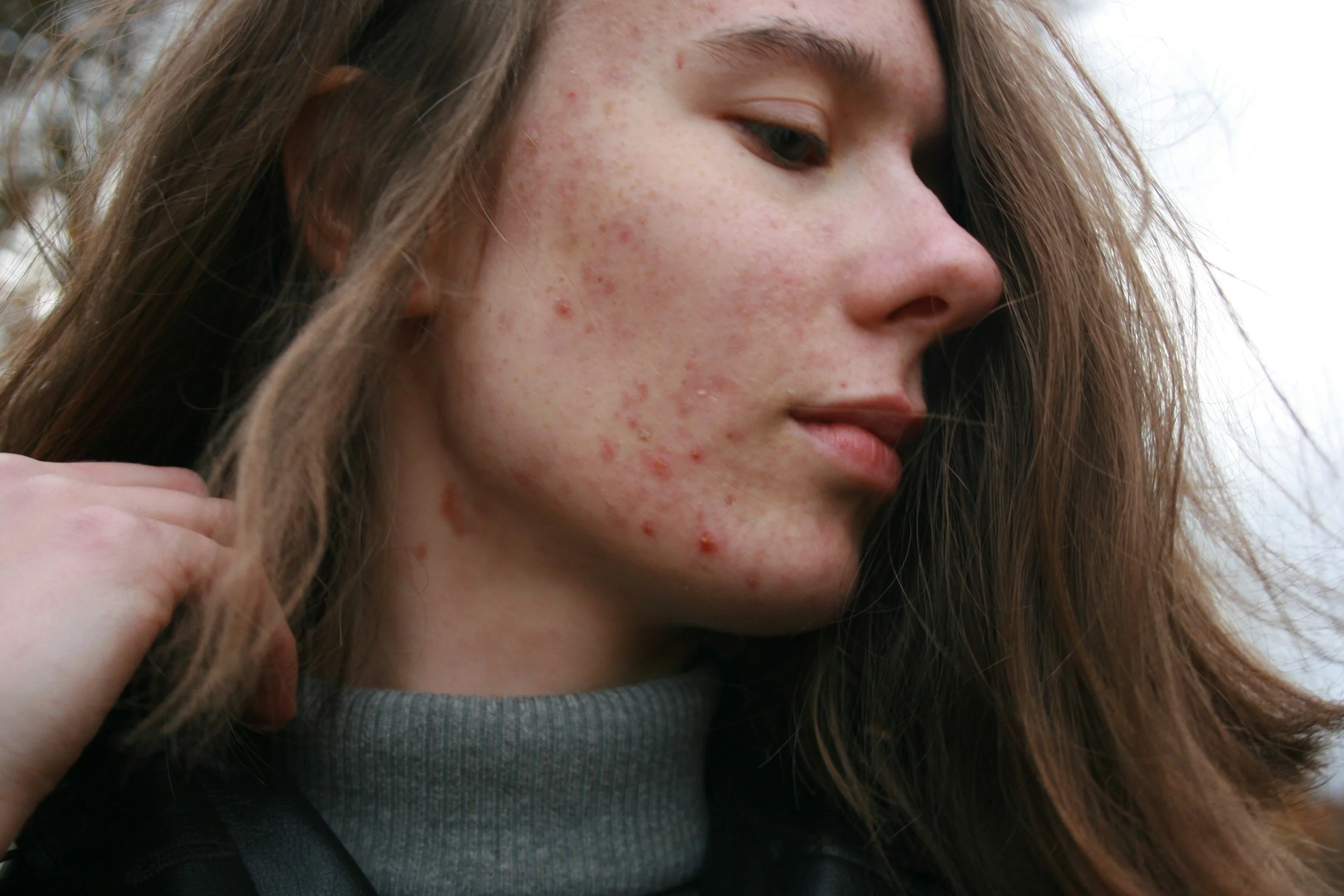
Skin issues can all present in many different ways but the underlying process of getting to the root cause of skin issues is understanding what the skin is trying to tell you about what is going on internally.
Your skin isn’t misbehaving. It’s communicating.
Acne.
Eczema.
Rosacea.
Dry, reactive or inflamed skin.
If your skin isn’t healing — despite using good products and eating well — it may be time to look deeper.
Because most chronic skin conditions are not just surface problems. They often reflect internal imbalances.
Understanding the root cause of skin problems requires looking beyond skincare and exploring digestion, hormones, inflammation, stress and nutrient status.
Why Treating Skin Topically Isn’t Always Enough
Skincare plays an important role in maintaining the skin barrier. But if internal drivers remain unaddressed, symptoms often persist or return.
Many clients I see have already tried:
Prescription creams
Elimination diets
Expensive skincare routines
Supplements found online
Yet their acne, eczema or rosacea continues to flare.
This is usually a sign that the underlying cause hasn’t been identified.
As the largest organ in the body, the skin plays many roles — protection, temperature regulation, immune defence and elimination. Yet when something goes wrong, we often focus only on what we’re putting on the skin.
Skincare matters. But what’s happening inside the body matters just as much — often more. Many chronic skin conditions have internal drivers and addressing the root cause of acne and eczema requires looking beyond skincare
Many of the clients I see have already tried everything. They’re eating well, using quality products, avoiding obvious triggers — and yet their skin is still flaring. When that happens, it’s time to dig deeper.
Because even when skin symptoms appear cosmetic, they are rarely superficial.
Finding out what that might be is at the core of my work to get to the root cause of the issue. We shouldn’t just suppress the symptoms but get a deep understanding of what is triggering this response in order to get a long term approach to healthy skin. And this is where you have to get into the detective mode and why I might end up asking a lot of questions in my consultation to map out the direction of the signalling.
Clear skin is rarely achieved through products alone.
It reflects:
Balanced digestion
Stable hormones
Regulated blood sugar
Adequate nutrients
A resilient nervous system
A supported skin barrier
If you’ve been managing symptoms for months — or even years — without lasting improvement, a root-cause approach may provide clarity.
Becoming a Skin Detective
When your skin flares — whether it’s acne, eczema, rosacea, hives, dryness or unexplained rashes — it is signalling that something internally may be out of balance.
In clinic, I go into detective mode.
I ask questions to understand patterns, timing and triggers. For example:
Where does the issue present?
Does it come and go?
Is there heat, itching, oozing or swelling?
Does it flare around hormonal shifts? Hormonal imbalances are a common cause of persistent acne.
Are there digestive symptoms like bloating, constipation or diarrhoea? Gut health plays a central role in inflammatory skin conditions
Does stress or poor sleep make it worse?
Are there reactions to certain foods, alcohol or high-sugar meals?
Have there been recent antibiotics or medications?
Signs Your Skin Issues May Be Internal
Persistent acne despite good skincare
Skin flaring around your menstrual cycle
Bloating alongside breakouts
Itching or flushing after certain foods
Dry skin with fatigue or hair changes
These questions help map the terrain.
Because when we stop fighting the skin and start listening to it, healing becomes far more possible. The symptoms are messengers and they tell us the story that the body is holding onto. They tell us what might be triggering the response? They tell us what might be getting in the way of the skin healing? They tell us what might be driving inflammatory signalling?
And why is it important to understand all of this? Because the skin cannot possibly heal without ensuring there are not any issues in anything else. Normally the skin is the last place the body is screaming for attention, so if there are issues in the gut, immune system or liver then usually there are many more signals that have showed up previously, sometimes over years. The body of course always prioritises the main organs, always prioritises bringing the body back into balance and always prioritises healing so when the skin is flaring up - then there is usually something deeper going on and it has been for some time.

The Root Causes I Commonly Explore
Skin rarely acts alone. It reflects the state of multiple systems working together.
The Internal Causes of Acne, Eczema and Rosacea
1. The Gut–Skin Connection: How Digestion Affects Skin Health
The gut plays a central role in inflammation, nutrient absorption and immune regulation.
Imbalances in the gut microbiome (dysbiosis), chronic constipation, diarrhoea, SIBO, food intolerances or increased intestinal permeability may all contribute to:
Acne
Eczema
Rosacea
Hives
Chronic inflammation
When digestion is compromised:
Nutrients needed for skin repair may not be absorbed efficiently.
Inflammatory signalling can increase.
Immune reactivity may rise.
The skin often mirrors what is happening in the gut.
For many people, improving gut health is a foundational step in addressing persistent skin problems.
2. Hormonal Imbalance and Skin Problems
Hormones directly influence oil production, collagen levels and inflammation and they act as chemical messengers that directly influence the skin.
Hormonal acne is especially common:
Around the menstrual cycle
During perimenopause
After stopping hormonal contraception
During periods of chronic stress
Key hormonal influences include:
Oestrogen – supports collagen and hydration
Progesterone – helps calm inflammation
Androgens – increase sebum production and acne
Thyroid hormones – affect skin texture and healing
If breakouts are cyclical or persistent despite skincare, hormonal imbalance may be contributing.
3. The Liver–Skin Connection
The liver helps process hormones, histamine, medications and metabolic by-products.
When liver function is under strain, clients may experience:
Hormonal acne
Itching or rashes
Flare-ups linked to menstrual cycles
Dull or congested complexion
Healthy bile flow is also essential for absorbing fat-soluble vitamins (A, D, E and K), which are crucial for skin integrity.
4. Histamine, Immune Reactivity and Rosacea
Histamine plays a role in:
Flushing
Itching
Hives
Eczema
Rosacea flare-ups
Elevated histamine levels may be linked to gut imbalances, stress, poor sleep or impaired clearance.
For some individuals, addressing histamine load can significantly calm reactive skin.
5. Stress, the Nervous System and Skin Inflammation
Chronic stress increases inflammatory signalling in the body.
When we are under prolonged stress:
Digestion is deprioritised.
Repair mechanisms slow down.
Hormones shift.
Blood sugar becomes less stable.
This can worsen acne, eczema and rosacea.
The skin and nervous system are closely connected — calming one often helps the other.
6. Blood Sugar Dysregulation and Acne
Blood sugar instability is one of the most overlooked internal causes of acne.
Frequent spikes in glucose can:
Increase androgen activity
Stimulate oil production
Promote glycation (collagen damage)
Exacerbate inflammation
Worsen cortisol and histamine responses
Balanced blood sugar supports clearer, calmer skin and healthier ageing.
7. Nutrient Deficiencies and Poor Skin Healing
The skin is a high-turnover tissue and requires consistent nourishment.
Deficiencies in the following may impair skin repair:
Zinc
Vitamin A
B vitamins
Iron
Essential fatty acids (especially omega-3)
Protein
Even with a healthy diet, poor digestion or fat absorption can limit nutrient availability.
8. The Kidney & Fluid Balance Connection
From a Western perspective, hydration and mineral balance directly affect skin elasticity and healing.
In traditional systems such as Ayurveda and Traditional Chinese Medicine, the kidneys are seen as foundational to vitality, stress resilience and ageing.
When fluid balance and resilience are compromised, the skin may appear:
Dry
Dull
Prematurely aged
Prone to puffiness or dark circles
These perspectives complement each other — physiology and vitality are deeply connected.
Signs Your Skin Problems May Be Internal
You may need to explore root causes if you notice:
Persistent acne despite good skincare
Skin flaring around your menstrual cycle
Bloating alongside breakouts
Itching or flushing after certain foods
Dry skin with fatigue or hair changes
Flare-ups during periods of high stress
Patterns matter. Timing matters. Context matters.
Don’t Forget the Skin Barrier
While internal drivers are important, topical care still matters.
Of course, what you apply topically matters too. Over-cleansing, aggressive exfoliants, fragranced products and harsh actives can disrupt the skin barrier and microbiome and can worsen issues. When the barrier is compromised, inflammation increases and the skin becomes more reactive.
I would favour gentle, natural and if possible organic skin care. Pairing back the amount of different products you are putting on your skin and avoiding fragranced skincare. This also includes what your wash your hair and body with.
Healing Takes Time
Skin healing isn’t quick.
Skin cells renew approximately every 4 weeks — and more slowly with age.
Hormonal shifts can take 4–12 weeks to reflect in the skin. Gut repair and nutrient replenishment also require time.
Healing is not instant. But when digestion, hormones, stress and nutrient status are supported together, improvements are sustainable.
If You’re Not Sure Where to Start
If you’ve been managing your skin symptoms for months — or even years — without lasting change, it may be time for a deeper review.
A root-cause approach maps patterns, identifies drivers and builds a clear, sustainable plan toward long-term skin health.
Because your skin is not the enemy.
It’s the messenger.
And when we listen carefully, it tells us exactly where to begin.
If you would like to learn more about how I work then have a look here:
Other blogs you may also be interested in: